By: Adelowo Oladipo, Minna
The Niger State Government has unveiled an ambitious plan to position the state as a destination for global remote employment, targeting the creation of 35,000 job opportunities through the Technology Talent Services (TTS) Nigeria Initiative, in partnership with the Mastercard Foundation and Technology for Development partners.
This statement is issued by the Director of Information Services Ministry of Information and Orientation Niger State Mr.Yunusa Saidu Ibrahim and made available to Journalists on Wednesday in Minna
The statement added that the initiative is designed to connect qualified residents of Niger State with international organisations and companies seeking skilled remote professionals, enabling them to earn competitive incomes while working from their communities without relocating.
The Director-General of the Niger State Information Technology and Digital Economy Agency (NSITDEA), Hon. Suleiman Isah, disclosed this while representing the Governor at a State-Level Policy Dialogue on Accelerating Inclusive Economic Opportunities through the Business Process Outsourcing (BPO) Sector in Minna.
The TTS Nigeria initiative is a consortium programme led by Tech4Dev in partnership with Univelcity, Semicolon and the Policy Innovation Centre (PIC), with support from the Mastercard Foundation. It seeks to address unemployment, gender inequality and limited access to digital employment opportunities by equipping underserved populations with relevant digital skills and connecting them to global job markets.
At the national level, the programme aims to train young women and facilitate employment opportunities across 12 states.
For Niger State, the initiative adopts an inclusive participation framework targeting 35,000 beneficiaries, with 80 per cent of the opportunities earmarked for women, 20 per cent for persons with disabilities with 40 percent of beneficiaries expected to be reserved for residents of rural communities.
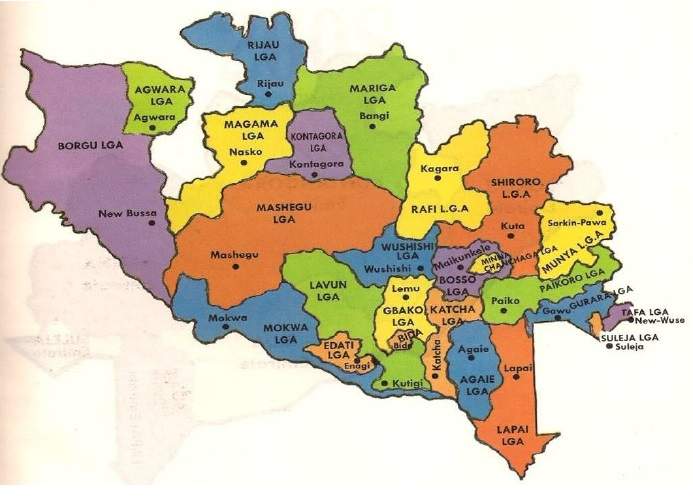
Designed to extend the benefits of the digital economy beyond Minna, the initiative will open access to international employment opportunities for qualified residents across the state’s urban and rural communities, irrespective of their geographical location.
The first phase of the initiative, involving the development of a comprehensive policy framework, has commenced. The process is focused on identifying existing gaps, establishing institutional mechanisms and creating an enabling environment to attract international businesses and investment into Niger State’s emerging BPO sector.
A presentation on the investment potential of the state highlighted its large youth population and growing pool of university graduates as important assets for developing a competitive outsourcing industry.
However, the sustainability and attractiveness of the sector will depend on improvements in digital infrastructure, reliable electricity, internet connectivity, data protection and supportive government policies.
The programme also places particular emphasis on social inclusion, with provisions for persons with disabilities and internally displaced persons, ensuring that vulnerable and underserved populations are not excluded from emerging opportunities in the digital economy.
The ongoing policy dialogue is expected to produce practical recommendations and an implementation roadmap to guide the establishment of BPO centres across the state and the subsequent placement of qualified residents in global remote jobs.
Beyond employment generation, the initiative is expected to improve household incomes, reduce poverty, promote productive engagement among young people and contribute to crime prevention. It will also expand the state’s revenue base through applicable taxation of workers and BPO operators.
The establishment of BPO centres is further expected to stimulate investment in telecommunications, electricity generation and other supporting infrastructure, creating additional economic opportunities and strengthening the state’s digital ecosystem.
Meanwhile,the initiative marks a strategic effort by the Niger State Government to diversify its economy, leverage its human capital and position residents to participate competitively in the global digital economy while promoting inclusive growth and sustainable livelihoods across the state.