By: Adelowo Oladipo, Minna
The Niger State House of Assembly has urged the state government to address inadequate funding, infrastructural gaps, staffing shortages and accreditation challenges confronting state-owned tertiary institutions, in a bid to improve the quality of education across the state.
The House also called for urgent implementation of the law converting the College of Agriculture, Mokwa, into the University of Agriculture, Mokwa, noting that despite the bill’s passage, there was no evidence of concrete steps towards its realisation.
The observations were made by the Standing Committee on Education, Science and Technology following an oversight visit to selected state-owned tertiary institutions.
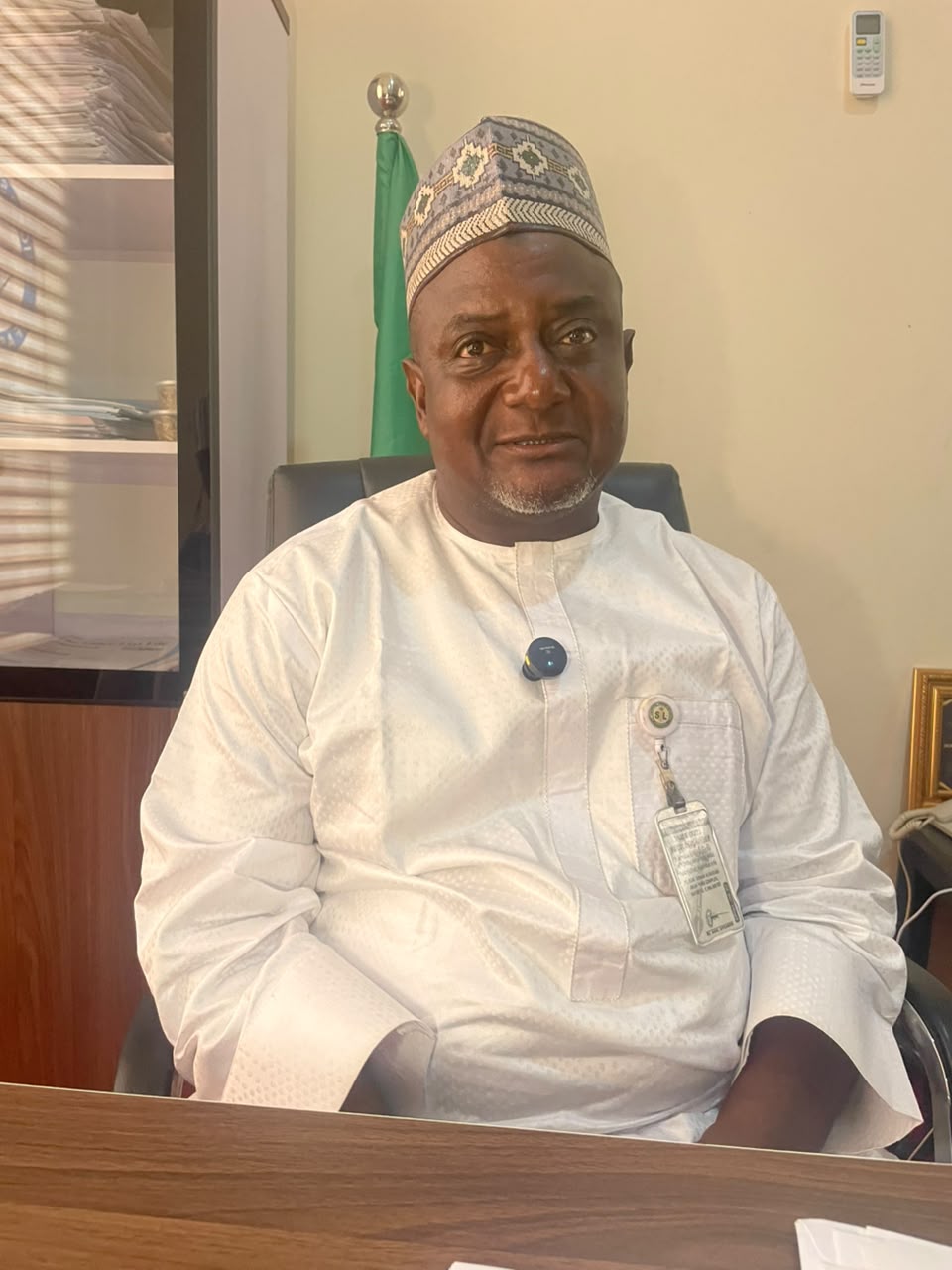
Presenting the report, the Committee Chairman, Hon. Muhammad Sani Idris, who represents Tafa Constituency, said the exercise was conducted between September 14 and 16, 2026, in line with the constitutional and legislative responsibilities of the House.
He explained that the visit was aimed at assessing academic activities, accreditation status, student enrolment, staffing, infrastructure, funding, teaching and learning facilities, students’ welfare, and the implementation of ongoing and completed projects.
The Committee visited 13 institutions, including Abdulkadir Kure University, Minna; Ibrahim Badamasi Babangida University, Lapai; Niger State Polytechnic, Zungeru; College of Education, Minna; College of Agriculture, Mokwa; and Niger State Innovation Institute, Minna.
Others were the School of Nursing Science, Bida; School of Midwifery/Nursing Science, Minna; School of Nursing Science, Tungan Magajiya; School of Midwifery, Kontagora; Fati Lami Institution of Legal and Administrative Studies; and School of Health Technology, Minna.
The Committee identified inadequate and irregular funding as a major challenge, saying it limits the institutions’ capacity to provide essential facilities and instructional materials, and to execute developmental projects.
It also highlighted infrastructural deficits in classrooms, lecture halls, laboratories, workshops, libraries, students’ hostels and other facilities required for effective teaching and learning.
The report further stressed the need to improve academic standards through accreditation of programmes, address shortages of academic and non-academic personnel, and strengthen students’ welfare services.
On project implementation, the Committee called for effective monitoring of ongoing projects, proper maintenance of existing facilities, timely completion of projects, and stronger supervision by relevant ministries and agencies to ensure accountability in the use of public funds.
It also raised concerns over outstanding allowances reportedly owed to principal officers of Abdulkadir Kure University, urging relevant authorities to investigate and resolve the matter in accordance with approved financial regulations.
Consequently, the Committee recommended regular and timely release of approved funds to the institutions, rehabilitation and provision of essential infrastructure, improved staffing and students’ welfare, as well as stronger monitoring and evaluation by the Ministry of Tertiary Education.
It urged the government to take urgent steps to implement the law establishing the University of Agriculture, Mokwa, so that the conversion process begins without further delay.
While acknowledging the efforts of institutional managements in sustaining academic activities, the Committee maintained that the challenges required urgent and sustained government intervention.
It called on the state government, the Ministry of Tertiary Education and other relevant agencies to implement the recommendations and report back to the Assembly to facilitate legislative monitoring.
The House unanimously adopted all the recommendations at the end of deliberations.
The Speaker, Rt. Hon. Barr. Abdulmalik Mohammed Sarkin-Daji, commended the Committee for its thorough work and directed the Clerk of the House to transmit the resolutions to the Executive for necessary action.
Assembly Debates Education Trust Fund, Skill Acquisition Bill
Meanwhile, the House debated the Second Reading of a Private Member Bill seeking to establish the Niger State Education Trust Fund and Skill Acquisition Fund.
The proposed legislation seeks to provide a framework for the assessment, collection, management and disbursement of funds for the development, rehabilitation and improvement of education and skill acquisition in the state.
Following deliberations, the Speaker referred the Bill to the House Standing Committees on Education, Science and Technology and on Judiciary for further legislative consideration.