By: Monday Danladi, Bauchi
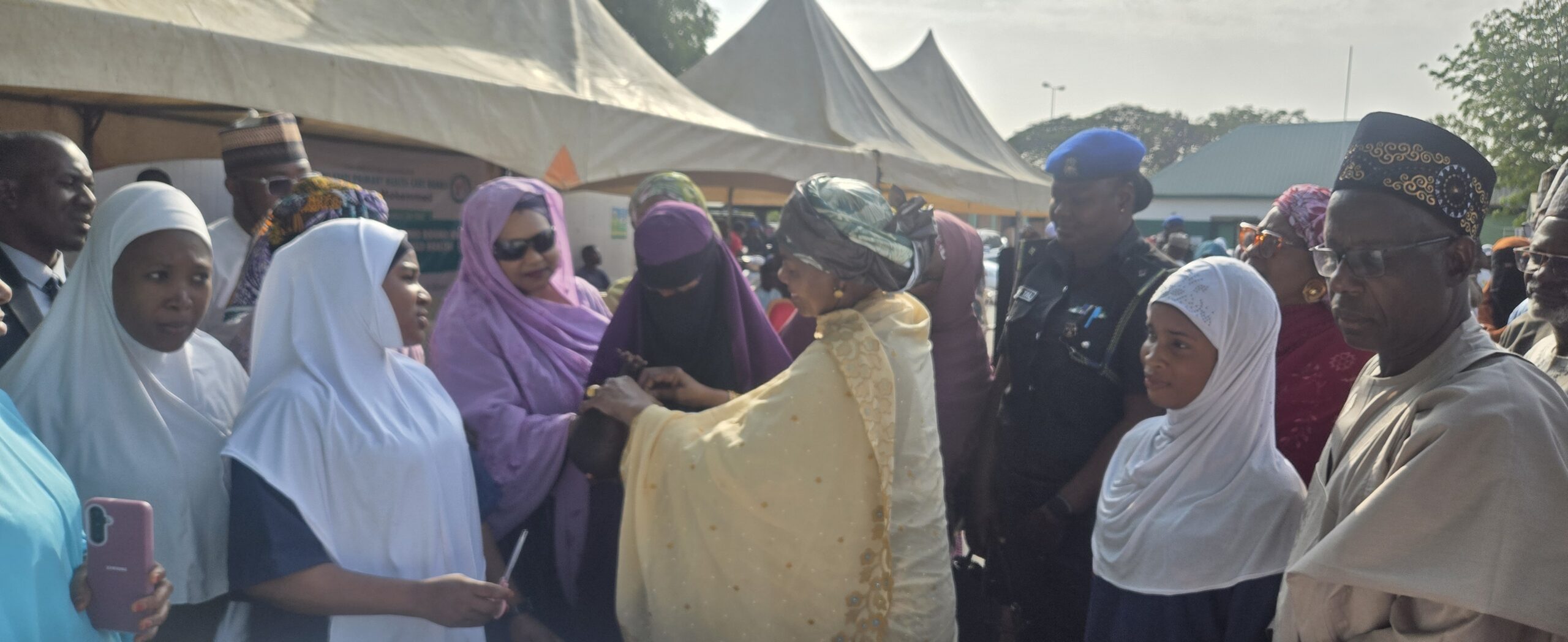
Bauchi State Government in collaboration with the United Nation’s Children’s Fund (UNICEF), on Monday, flagged off the second round of the 2026 Bi-Annual Maternal, Newborn and Child Health Week (MNCHW) aimed at giving special attention to children Under 5 years and their mothers.
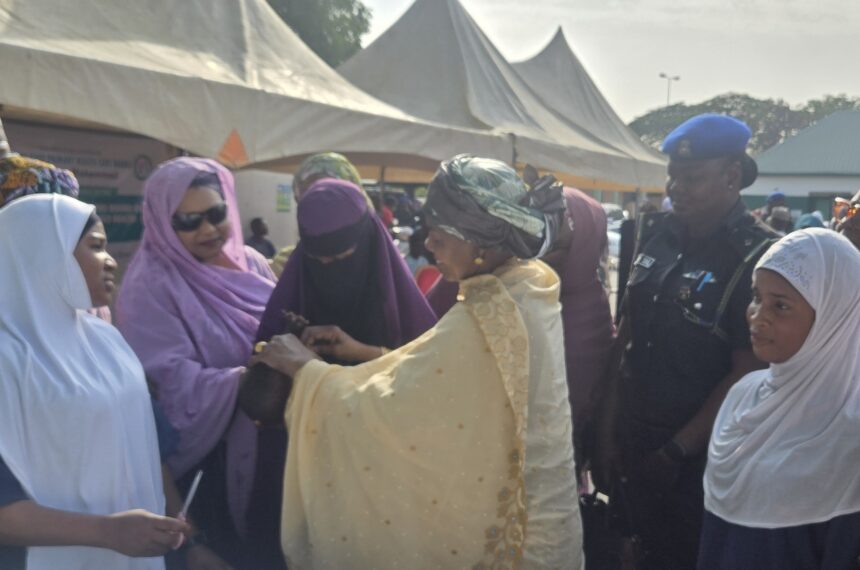
Bauchi First Lady, Hajiya Aisha Bala Mohammed, while flagging off the Second Round of 2026 Maternal, Newborn and Child Health Week at the Urban Maternity, reaffirmed her commitment to improving maternal and child health, calling on parents, caregivers and communities to take advantage of essential healthcare services provided under the second round of the 2026 Maternal, Newborn and Child Health Week campaign.
The First Lady described the campaign as an important intervention aimed at protecting the lives and well-being of mothers, newborns and children, particularly those in underserved and hard-to-reach communities.
She noted that preventable maternal and childhood illnesses and deaths remained major public health concerns, stressing the need for improved access to quality healthcare, routine immunisation, adequate nutrition, antenatal care, skilled birth attendance and proper hygiene practices.
According to her, the campaign provides an opportunity to bring essential health services closer to women and children while strengthening awareness of preventive healthcare at the community level.
She urged eligible mothers and caregivers to utilise the services available during the exercise, including routine immunisation, Vitamin A supplementation, nutritional assessment, deworming where necessary, health education and multiple micronutrient supplementation.
She urged eligible mothers and caregivers to utilise the services available during the exercise, including routine immunisation, Vitamin A supplementation, nutritional assessment, deworming where necessary, health education and multiple micronutrient supplementation.
The First Lady also encouraged pregnant women to attend antenatal clinics regularly, ensure skilled assistance during childbirth and seek prompt medical attention whenever necessary.
Reaffirming her commitment to women’s health, child protection and family welfare, she said she would continue to use her humanitarian and advocacy engagements to promote women’s empowerment and improve access to essential healthcare services.
She further pledged her support for the Bauchi State Government under the leadership of Governor Bala Abdulkadir Mohammed in its efforts to strengthen the state’s healthcare system and improve health outcomes.
The First Lady called for collective action among government agencies, development partners, traditional institutions, parents and community stakeholders to ensure that no mother or child was excluded from life-saving healthcare interventions.
She stressed that protecting maternal and child health required sustained collaboration and active participation from all sections of society.
In her remarks, the Chief of Bauchi UNICEF Field Office, Dr Nuzhat Rafique, commended the Government of Bauchi State for its continued commitment to improving the health and nutrition of women and children through the timely implementation of the important programme in line with the national schedule.
She added, “This demonstrates strong leadership and dedication towards achieving better health outcomes for the people of Bauchi State.”
Represented by the Health Specialist, Dr David Audu, Nuzhat Rafiqur said,
“The Maternal, Newborn and Child Health Week remains one of the most effective platforms for delivering integrated, life-saving interventions to vulnerable populations. During this round, children aged 6 to 59 months will receive essential services, including Vitamin A supplementation, deworming, nutrition screening, and referral services where necessary.”
According to her, “Pregnant women will also benefit from Multiple Micronutrient Supplementation (MMS) and other critical maternal health interventions.”
She assured that UNICEF remains committed to supporting the Government of Bauchi State and collaborating closely with development partners represented here today to ensure the successful delivery of these services.
“For this round, UNICEF has provided over 1.5 million doses of Vitamin A supplements and additional implementation support to strengthen service delivery and increase coverage across the state,” She said.
Nuzhat Rafique stressed that Vitamin A is an essential micronutrient that supports healthy growth, strengthens immunity, and protects children from severe illnesses.
According to her, “Vitamin A deficiency can lead to preventable childhood blindness and significantly increase the risk of severe infections and death from common childhood diseases such as diarrhoea and measles.”
She added, “Evidence shows that periodic high-dose Vitamin A supplementation is a cost-effective intervention capable of reducing child mortality by between 12 and 24 per cent, making it a critical investment in child survival.”
“As we launch this exercise today, I call on all caregivers, mothers, fathers, community leaders, religious leaders, and the media to support mobilization efforts and encourage every eligible child and pregnant woman to access these services. Together, we can ensure that no child is left behind and that every family benefits from these life-saving interventions.
She concluded, “On behalf of UNICEF, I wish the Government and people of Bauchi State a successful and impactful implementation of the second round of the 2026 Maternal, Newborn and Child Health Week.”
The Maternal, Newborn and Child Health Week campaign is designed to improve access to essential preventive and nutrition-related services, particularly for women and children in vulnerable communities.
Also speaking, the State Commissioner of Health and Social Welfare, Dr Sani Mohammed Dambam, said, the important campaign reflects our collective commitment to improving the health and well-being of women, newborns, and children through accessible, quality, and integrated healthcare services.
According to him, “The Bauchi State Government recognizes that investing in maternal and child health is fundamental to building a healthier and more productive society. Through the Ministry of Health and Social Welfare, the State Primary Health Care Board, and our partners, we continue to strengthen primary healthcare delivery, promote routine immunization, improve nutrition services, and expand access to essential maternal and child health interventions.”
The Commissioner added,” The achievements recorded during the first round of the 2026 MNCHW are encouraging. The State attained 99% coverage in Vitamin A supplementation, demonstrating the commitment of our health workers, community mobilizers and partners. I commend everyone who contributed to this achievement and urge us to sustain this momentum.”
“For this second round, we are targeting 1,557,500 children aged 6-56 months for
Vitamin A supplementation, alongside the distribution of 36,000 bottles of
Multiple Micronutrient Supplements (MMS) to pregnant women. These
interventions are essential in addressing micronutrient deficiencies, strengthening
immunity, supporting healthy child development, and improving maternal
nutrition outcomes.” he announced,
Sani Mohammed Dambam called on health workers and community
structures to ensure that every eligible child and pregnant woman was reached with the services during the week.
He stressed,”While we celebrate our progress, we must also acknowledge the gaps that require urgent attention. According to the NDHS figures provided for this address, antenatal care by skilled providers stands at 61%, facility delivery at 42.1%, and skilled birth attendance at 40.9%.”
He added,”Similarly, our Penta 3 immunization coverage has declined to 44.1%. These figures remind us that more work is needed to improve access to antenatal care, encourage delivery in health facilities, strengthen skilled birth attendance and ensure that every eligible child completes routine immunization.”
He then specially acknowledged and expressed the profound appreciation of the Bauchi State Government to Helen Keller International for its tremendous support and invaluable contributions to maternal, newborn and child health, particularly in strengthening nutrition interventions.
He said, “Your continued partnership has made a meaningful difference in our efforts to improve the health and nutritional well-being of women and children. We deeply value this collaboration and look forward to sustaining it for greater impact. I also appreciate all our development partners, including UNICEF, WHO and other stakeholders, for their continued commitment to improving health outcomes in the State.”
He also said,”Another achievement worthy of recognition is the recent HPV vaccination intensification exercise, during which Bauchi State recorded 68 % coverage, ranking second nationally after Lagos State. This is a significant milestone and evidence of what can be achieved through effective planning, community
engagement and strong partnership.”
According to him,”We must build on this success to sustain awareness and ensure that every eligible girl is protected against cervical cancer. As we commence this round of MNCHW, I urge the State Primary Health Care Board, local government health authorities, health workers, traditional and religious leaders, community mobilizers, civil society organizations and the media to intensify their efforts. Parents and caregivers should also take full advantage of the services provided and ensure that their children and pregnant women in their
households receive the recommended interventions.”
He then reaffirmed the commitment of the Bauchi State Government to
strengthening primary healthcare and reducing preventable maternal and child
deaths.
He concluded,”Together, through sustained investment, effective partnerships, and collective responsibility, we can build a healthier future for every mother and child in Bauchi State.”
There were goodwill messages from various development partners pledging continuous support and collaboration with the state government in order to provide improved healthcare services to the populace with particular attention on women and children.