By: Adelowo Oladipo Minna
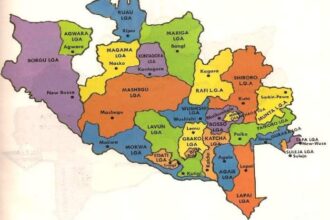
Four Fulani associations in Niger State have urged the state government and security agencies to intervene urgently over the alleged killing of 64 Fulani people in parts of Borgu Local Government Area of Niger State
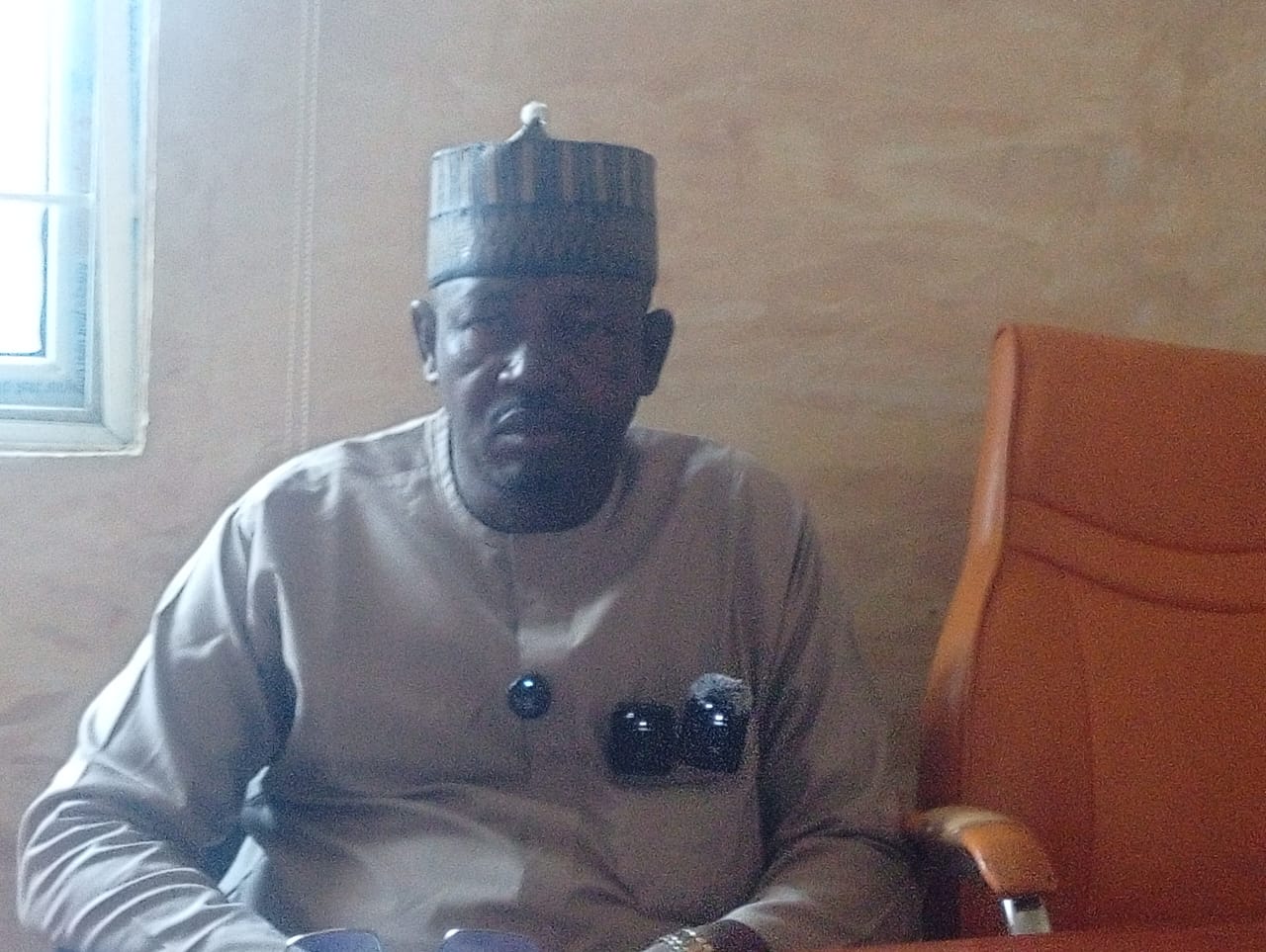
Speaking on behalf of the groups at a press conference in Minna, the state Chairman of the Miyetti Allah Cattle Breeders Association of Nigeria (MACBAN), Ardo Umar Lapai, described the reported killings around Wawa and Gada Oli communities as disturbing and unacceptable.
He said information from the groups’ representatives in the affected communities indicated that more than 64 people had been buried following the attacks.
The other associations are Miyetti Allah Kautal Hore, Gan Allah Fulbe Development Association and Mobgal Fulbe.
Lapai called on Governor Mohammed Umaru Bago to take urgent measures to protect residents, restore peace and ensure that those behind the attacks are brought to justice
He said the groups could not establish the immediate cause of the latest violence, adding that no formal complaint had been brought to their attention against members of their communities.
He urged the government to order a comprehensive investigation into the recurring attacks, alleging that Fulani communities in the affected areas had also suffered cattle rustling, abductions and other forms of violence.
The MACBAN chairman said the associations would formally present their concerns to the Commissioner of Police, the Department of State Services (DSS) and the Nigeria Security and Civil Defence Corps (NSCDC) for necessary action.
He lamented that the attacks reportedly resumed even after periods of relative calm, forcing residents who had returned to their communities to flee again.
The groups also appealed to traditional rulers and other stakeholders to support efforts to end the violence, insisting that their demands were for justice, security and peaceful coexistence among communities in the state