By: Monday Danladi, Bauchi
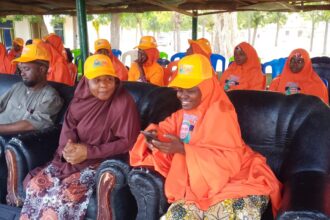
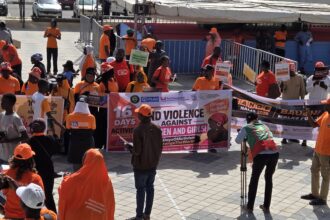
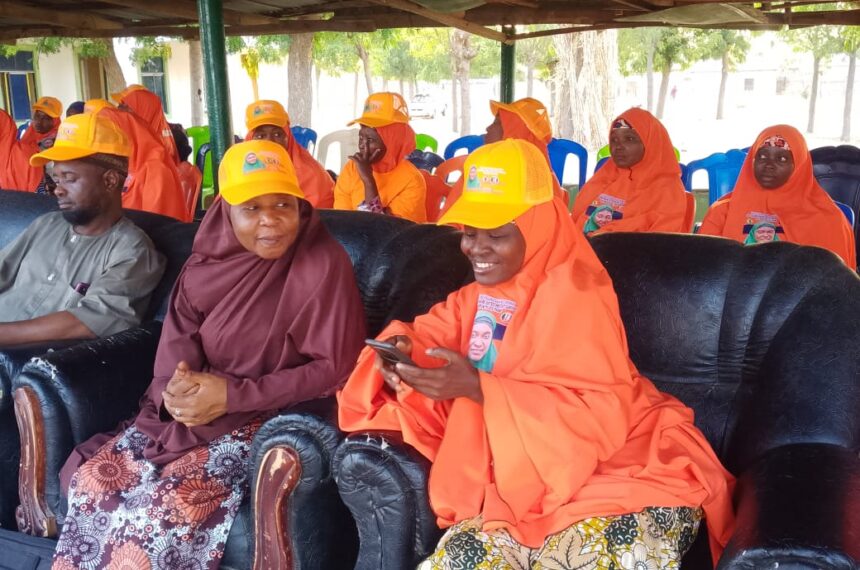
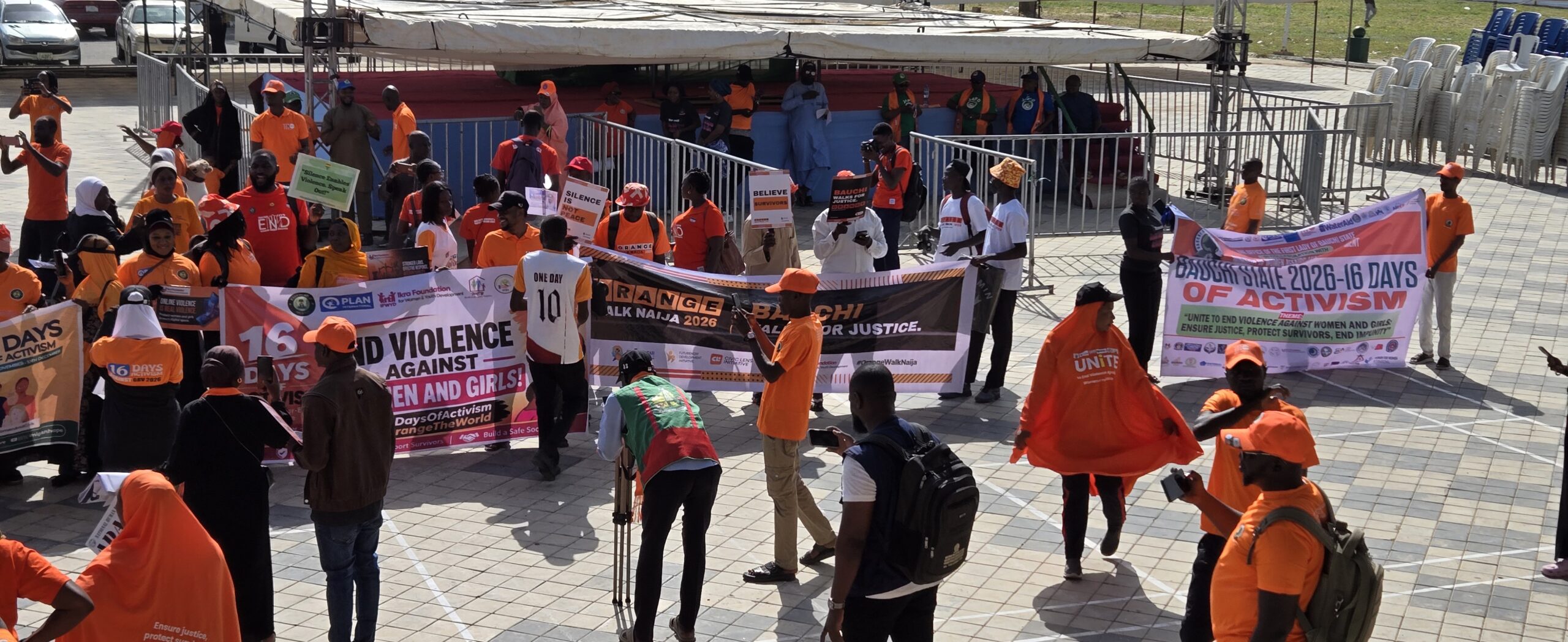
Bauchi State Ministry of Women Affairs and Child Development in collaboration with other development partners with support from the United Nation’s Population Fund (UNFPA), on Wednesday kicked off the 2026 16 Days Activism Against Gender based violence with the Theme: Unite to End Violence Against Women and Girls: Ensure Justice, Protect Survivors, End Impunity”
The activities commenced with a road walk from the Ministry’s headquarters at the State Secretariat to the Office of the First Lady, Hajiya Aisha Bala Mohammed at the Government House.
In her address, the Executive Director, of Journalists for Public Health and Development Initiative (J4PD), Elizabeth Kah, said, “It is with a deep sense of responsibility and commitment that I address you on the occasion of the 2026 16 Days of Activism Against Gender-Based Violence, a global campaign dedicated to raising awareness, mobilising action, and strengthening collective efforts to end violence against women and girls.”
According to her, “This year’s theme, “UNiTE to End Violence Against Women and Girls: Ensure Justice, Protect Survivors, End Impunity,” sends a powerful message that violence against women and girls must no longer be tolerated, excused, concealed, or treated as a private matter. It calls on governments, institutions, communities, the media, civil society organisations, families, and individuals to take concrete action to prevent violence, protect survivors, ensure justice, and hold perpetrators accountable.”
Elizabeth Kah added,”Gender-based violence remains one of the most serious human rights, public health, and development challenges confronting our society. It manifests in different forms, including domestic violence, sexual abuse, rape, child marriage, harmful traditional practices, emotional and psychological abuse, economic violence, harassment, trafficking, and violence facilitated through digital and online platforms.”
She added, Behind every incident of gender-based violence is a human being whose dignity, safety, health, confidence, opportunities, and future may have been deeply affected. The consequences extend beyond individual survivors to families, communities, and society at large. Violence can undermine educational attainment, affect physical and mental health, limit economic participation, perpetuate poverty, and weaken the foundations of peaceful and inclusive development.”
“As we commemorate these 16 days, we must remind ourselves that awareness alone is not enough. Campaigns, declarations, public statements, and sensitisation programmes must translate into meaningful actions, stronger protection systems, accessible support services, effective investigations, accountability, and lasting behavioural change,” She added.
The J4PD ED stressed that,”Justice must be accessible, and survivors must be protected. The call to ensure justice requires us to strengthen institutions and mechanisms responsible for responding to gender-based violence. Survivors must be able to report abuse without fear of intimidation, stigma, discrimination, retaliation, or being blamed for the violence they experienced.”
She added,”We must ensure that survivors have access to timely medical care, psychosocial support, legal assistance, safe shelters, protection services, and appropriate referral systems. Law enforcement agencies, health institutions, judicial authorities, social welfare services, and community structures must work collaboratively to provide coordinated, compassionate, and survivor-centred responses.”
Elizabeth Kah furth said, “We must also confront the culture of silence that allows abuse to continue. Silence, stigma, fear, harmful social norms, and the pressure to protect family reputation often prevent survivors from seeking help. Communities must create an environment where survivors are believed, supported, treated with dignity, and encouraged to access the services and justice they deserve.”
According to her, “Ending impunity means ensuring that perpetrators are not shielded by influence, status, wealth, relationships, cultural excuses, or institutional negligence. It means strengthening accountability and ensuring that laws and policies are implemented effectively.”
She called that the media must be part of the solution, saying As Journalists for Public Health and Development Initiative, we recognise that the media occupies a strategic position in the fight against gender-based violence. Journalism is not merely about reporting incidents; it is also about informing the public, challenging harmful norms, amplifying voices, influencing policy, promoting accountability, and mobilising communities towards positive change.”
She added,” We therefore call on journalists and media organisations to report gender-based violence accurately, responsibly, ethically, and with sensitivity to the rights and dignity of survivors.”
The ED J4PD added,”Media practitioners must avoid sensationalism, victim-blaming, unnecessary disclosure of identities, and the publication of details that could expose survivors to further harm. We must move away from narratives that question the behaviour of victims and instead focus on the responsibility of perpetrators, institutional responses, prevention strategies, and the availability of support services.”
” The media should also give greater attention to preventive reporting, including stories that promote gender equality, positive masculinity, respectful relationships, girls’ education, women’s empowerment, community accountability, and the protection of vulnerable groups,” She said.
Through radio, television, newspapers, digital platforms, community media, and social media, journalists can help break the silence, challenge misinformation, educate the public, and encourage survivors and affected families to seek appropriate assistance.
According to her, “At J4PD, we believe that informed communities are better positioned to prevent violence, recognise warning signs, challenge harmful practices, and support survivors. We therefore remain committed to strengthening media engagement on public health, gender equality, human rights, and development issues.”
She stressed,”Prevention requires collective community leadership
The prevention of gender-based violence cannot be left to government or civil society organisations alone. It requires the participation and leadership of traditional rulers, religious leaders, women leaders, youth organisations, men and boys, educators, health workers, security agencies, community-based organisations, and families.”
She called, “Men and boys must be actively engaged as partners and champions of change. We must encourage positive masculinity, mutual respect, responsible relationships, and the rejection of violence as a means of exercising power or resolving conflict.”
She further said,”Parents and guardians must promote values of respect, equality, and protection. Schools must provide safe learning environments and ensure that children and young people are protected from abuse and exploitation. Religious and traditional institutions must use their influence to promote dignity, justice, compassion, and zero tolerance for violence.”
“We must equally recognise that women and girls in vulnerable circumstances, including those living with disabilities, those in underserved communities, and those affected by poverty, displacement, and insecurity, may face additional risks and barriers to protection and justice. Our interventions must be inclusive, accessible, and responsive to their specific needs,” She added .
In a call to action, She said, “As we begin this year’s 16 Days of Activism, J4PD calls on Government and policymakers to strengthen the implementation of laws and policies against gender-based violence and ensure adequate resources for prevention, protection, justice, and survivor-support services.”
Further called on Law enforcement and justice institutions to handle cases professionally, promptly, confidentially, and without discrimination, while ensuring perpetrators are held accountable.
Health institutions and service providers to provide accessible, compassionate, confidential, and survivor-centred care.
Also, traditional and religious leaders to challenge harmful practices, promote positive social norms, and strengthen community protection mechanisms.
Media organisations and Journalists to sustain responsible reporting, amplify survivors’ rights without exposing them to harm, and hold institutions accountable.
Men and boys to stand against violence, challenge harmful attitudes, and become advocates for equality, respect, and non-violence.
Civil society and development partners to strengthen collaboration, invest in grassroots advocacy, and support sustainable prevention and response initiatives while every individual to speak out against abuse, reject victim-blaming, support survivors, and take responsibility for building safer communities.
“Our commitment at J4PD,
Journalists for Public Health and Development Initiative reaffirms its commitment to using media, advocacy, community engagement, public education, and strategic partnerships to promote the prevention of gender-based violence and the protection of women and girls,” She added.
Elizabeth Kah added, “We believe that ending gender-based violence is not only a women’s issue; it is a collective responsibility and a development imperative. A society cannot achieve sustainable development when women and girls live in fear, when survivors are denied justice, or when violence is allowed to thrive behind the walls of silence.”
She stressed, “The 16 Days of Activism must not end on 10 December. The commitment we make during this campaign must continue throughout the year. We must turn advocacy into action, awareness into prevention, solidarity into support, and promises into accountability.”
She further said, “Let us unite to build communities where women and girls are safe, where their rights are respected, where survivors are protected and supported, and where perpetrators are held accountable. Let us ensure justice. Let us protect survivors. Let us end impunity.
She concluded, “Together, we can create a society free from gender-based violence—a society where every woman and girl can live in safety, dignity, equality, and freedom.”
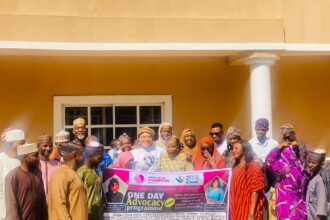
There were goodwill messages from CSOs and other relevant agencies stressing the importance of uniting to end violence against wom and girls.