By: Monday Danladi, Bauchi
It has been observed that key and vulnerable populations in the country remain among the groups most exposed to stigma, discrimination, exclusion, violence and other human rights challenges.
These populations include people living with HIV, people affected by tuberculosis, persons who use and inject drugs, female sex workers, men who have sex with men, transgender persons and other vulnerable and underserved communities, particularly those whose circumstances expose them to heightened risks of human rights violations.
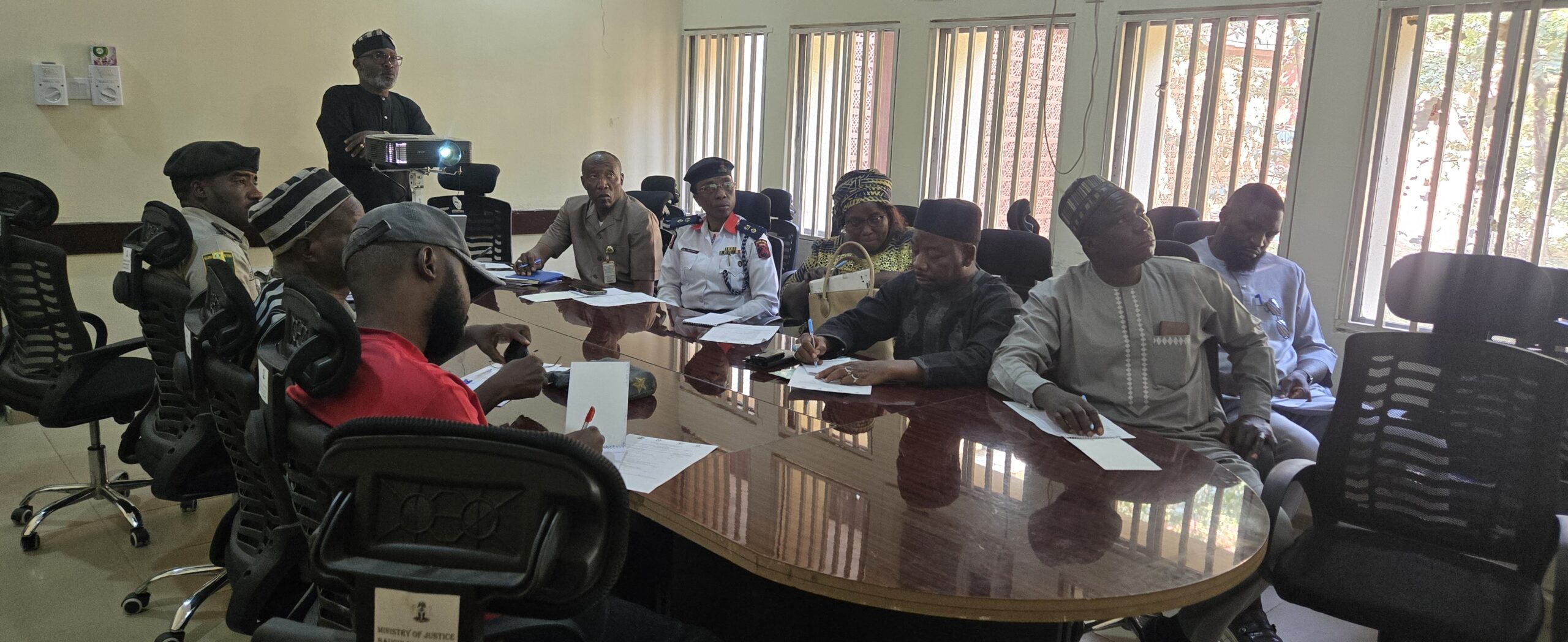
The observation was contained in a welcome remarks by the Executive Secretary/CEO, National Human Rights Commission (NHRC), Dr Tony Ojukwu, SAN, at the One-Day State-Level sensitisation on the Emergency Response Framework to reduce human rights violation of key and vulnerable populations in Nigeria, held at the Conference Hall of the Ministry of Justice, Bauchi on Tuesday.
Represented by the State Coordinator of NHRC, Barr Yahchit Dala, the ES stated that, “For these populations, emergencies may arise from sudden or escalating threats such as violence, unlawful arrests and detention, harassment, forced eviction, discrimination in healthcare settings, denial of access to essential health services, breaches of confidentiality, community hostility and other situations that threaten their safety, dignity and fundamental rights.”
According to him,”Such situations require timely, coordinated and effective interventions. More importantly, they demand a response that is sensitive to the peculiar circumstances of affected populations and firmly grounded in human rights principles.”
He stressed that, “It is in recognition of these challenges that the National Human Rights Commission, in collaboration with relevant stakeholders and development partners, continues to promote interventions aimed at strengthening human rights protection, improving access to justice and addressing structural barriers that prevent key and vulnerable populations from enjoying their fundamental rights.”
Tony Ojukwu explained that the Emergency Response Framework is an important mechanism for ensuring that incidents of human rights violations and other emergency situations affecting key and vulnerable populations are identified, reported, documented and addressed promptly and effectively.
He also explained that the framework seeks to strengthen coordination among relevant stakeholders, establish clear response and referral pathways, improve access to legal assistance and psychosocial support, enhance incident documentation and reporting, and promote accountability for violations.
“It is also an opportunity to reinforce the principle that access to healthcare and other essential services must not be denied on the basis of a person’s health status, identity, occupation or perceived social standing. Every individual, irrespective of their circumstances, is entitled to the protection of the law and the enjoyment of fundamental human rights,” he added.
As Nigeria’s National Human Rights Institution, he stressed that the Commission recognises that the protection of key and vulnerable populations is not merely a public health concern; it is fundamentally a human rights obligation, saying,”The right to dignity, equality, non-discrimination, personal liberty, privacy and access to justice must be respected and protected at all times.”
He added, “We must therefore move beyond merely acknowledging the challenges confronting these populations to developing practical, sustainable and coordinated mechanisms for addressing them.”
According to him, “Today’s state-level sensitisation is particularly important because the successful implementation of the Emergency Response Framework depends largely on the capacity and commitment of stakeholders at the subnational level.”
“We must ensure that relevant government institutions, law enforcement agencies, healthcare providers, legal service providers, civil society organisations, community-led organisations and representatives of key and vulnerable populations understand their respective responsibilities under the framework,” he added.
He particularly encouraged participants to strengthen collaboration with community-led organisations, as they often serve as the first point of contact for affected individuals and are strategically positioned to identify incidents, facilitate referrals and provide immediate support.
He added, “Equally important is the need to protect the confidentiality and safety of individuals who report violations, prevent retaliation against complainants and witnesses, and ensure that response mechanisms are accessible, non-judgmental and responsive to the specific needs of affected populations.”
The NHRC ES stressed that, “The voices and lived experiences of key and vulnerable populations must remain central to the design, implementation and monitoring of interventions intended to protect them. Nothing about these populations should be done without meaningful engagement with them.”
He therefore urged all participants to approach the discussions with openness, commitment and a shared sense of responsibility, saying,”Let us identify existing gaps, clarify institutional roles, strengthen referral systems and develop practical strategies for ensuring that the framework translates into meaningful protection for those who need it most.”
According to him, “Our collective objective must be to build an environment where no individual is denied protection because of stigma, discrimination or social exclusion; where human rights violations are promptly reported and addressed; and where every person, regardless of their vulnerability, can access justice, healthcare and other essential services without fear.”
Tony Ojukwu reiterated that the National Human Rights Commission remains committed to working with relevant government institutions, development partners, civil society organisations and community-led networks to advance the objectives and ensure that the rights of key and vulnerable populations are protected in line with the Constitution of the Federal Republic of Nigeria, applicable national laws and international human rights standards.
He then expressed confidence that the outcome of the engagement will strengthen the collective response capacity and contribute to building a more inclusive, accountable and rights-respecting environment for key and vulnerable populations in Nigeria.
A