By: Adelowo Oladipo Minna
As Nigeria marks its 66th Independence Anniversary, the Niger State Ministry of Health has highlighted major reforms and interventions recorded across the state in the last three years under Governor Mohammed Umaru Bago’s New Niger Health Agenda.
This is contained in a statement issued by the Public Relations Officer of the State Ministry of Health,Jibrin Usman Kodo and made available to Journalists on Thursday in Minna
The statement added that with the Hon. Commissiner of Health, Dr. Murtala Muhammad Bagana, providing leadership at the Ministry, the administration has pursued reforms aimed at strengthening governance, expanding healthcare infrastructure, improving the welfare and capacity of health workers, widening access to quality healthcare, ensuring the availability of medicines and consumables, and strengthening accountability across the sector.
It stated further that the reforms are anchored on six key pillars: governance, infrastructure, health workforce, access to healthcare, medicines and accountability.
It emphasized that from the outset, the Ministry aligned its programmes and priorities with the Governor’s New Niger Health Agenda to ensure that policies, budgets and interventions work towards common goals.
The statement stressed that the 2027 Health Sector Annual Operational Plan has now been fully aligned with the New Niger Health Agenda, providing a clearer framework for implementing health programmes and allocating resources,noting, that the Ministry also held a strategic retreat to develop a structured roadmap for health-sector reforms and establish timelines for implementation.
Jibrin Usman Kodo noted that a major development in the area of regulation was the establishment of the Niger State Private Health Facilities Agency (NISPHFA) in June 2026 to strengthen the regulation and supervision of private hospitals and clinics.
He recalled that since commencing operations, the agency has shut down 15 private health facilities for regulatory violations and facilitated the arrest of an individual allegedly operating as a Medical Practitioner without the required qualifications in Suleja.
It however explained that the objective is to protect residents and ensure that healthcare providers operating in the state meet prescribed standards.
Infrastructure: Taking Healthcare Closer To The People.
In the Recognition the importance of accessible primary healthcare, the state government commenced the upgrading of 54 existing Primary Healthcare Centres (PHCs) to Level 2 status, with a target of reaching 100 by the end of 2026.
Additionally,more than 20 Level 2 PHCs have so far been commissioned, while several others are at various stages of completion, adding that the broader programme envisages the development of 111 Level 2 healthcare facilities across the state.
According to the statement the administration has also strengthened hospital capacity through the distribution of 2,000 hospital beds, as well as wheelchairs and malaria treatment commodities, to general hospitals and primary healthcare facilities across the state.
It pointed out that these interventions are designed to improve the quality of care and create more conducive environments for both patients and health workers.
It stressed the need that no health system can function effectively without an adequate and motivated workforce thereby putting qualified personnel where they’re needed.
Recalling that in 2026, the Niger State Government integrated 396 UNICEF/GAVI-supported health workers into the state civil service.
Consequently,the beneficiaries include community health extension workers, nurses and other frontline health personnel providing services at community and primary healthcare levels.
The integration is expected to provide greater job security for the workers while strengthening the availability of skilled personnel, particularly in underserved and hard-to-reach communities.
In recognition of Access to Care: Prevention, early detection and treatment,the state has intensified preventive healthcare interventions through repeated Immunisation Plus Days campaigns, reaching more than 2.5 million children under five with vaccines against polio and other vaccine-preventable diseases.
The statement emphasized that significant progress has also been recorded in cancer prevention and early detection, saying that “more than 22,000 women have been screened for cervical cancer, with over 300 women who tested positive receiving treatment through the screen-and-treat approach”.
In addition, 444,659 girls between the ages of nine and 14 have received the Human Papillomavirus (HPV) vaccine, providing protection against HPV-related cervical cancer, while the state has also continued to strengthen maternal and child healthcare.
It could however be recalled that the First Lady of Niger State, Hajiya Fatima Muhammad Bago, recently flagged off the 2026 Maternal, Newborn and Child Health Week, aimed at improving maternal and newborn outcomes and reducing preventable deaths among mothers and children.
The State Government had also demonstrated its commitment to the provision of Medicines and Consumables by ensuring that Drugs Are available and the affordability of essential medicines remain critical to effective healthcare delivery.
To address persistent challenges around drug availability, the Niger State Drug and Hospital Consumables Management Agency has strengthened its supply system and currently meets about 90 per cent of the medicine needs of the state’s 24 general hospitals, hundreds of primary healthcare facilities and the Ibrahim Badamasi Babangida Specialists Hospital.
The objective is straightforward by ensuring that residents who visit public health facilities can access the medicines and consumables required for their treatment at affordable rates.
The State Government has also expanded it’s financial capacity with the introduction of Niger State Contributing Health scheme,i.e. NICARE: by expanding Financial Protection for residents and one of the major components of the state’s health-sector reforms is the expansion of the Niger State Contributory Health Scheme (NiCare).
The scheme is designed to reduce the financial burden of healthcare by protecting residents from excessive out-of-pocket expenditure when they require medical attention.
Governor Mohammed Umaru Bago enrolled in NiCare in May 2025, underscoring the administration’s commitment to broadening health insurance coverage across the state.
NiCare enrolment has continued to grow, increasing from approximately 56,000 enrollees in May 2023 to more than 145,000 residents as of August 2025.
Coverage among vulnerable groups, including children under five, pregnant women, the elderly and persons living with disabilities, has also increased significantly from about 2,830 to more than 10,000 beneficiaries over the same period.
Through the Basic Health Care Provision Fund (BHCPF), more than 80,000 vulnerable residents have also been enrolled.
The scheme has supported the treatment of about 298,000 malaria cases, facilitated more than 106,000 antenatal care visits, and supported immunisation for approximately 68,000 children.
In August 2026, the First Lady unveiled an initiative aimed at enrolling an additional 65,000 vulnerable residents into the health insurance scheme.
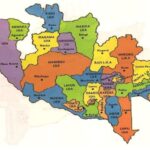
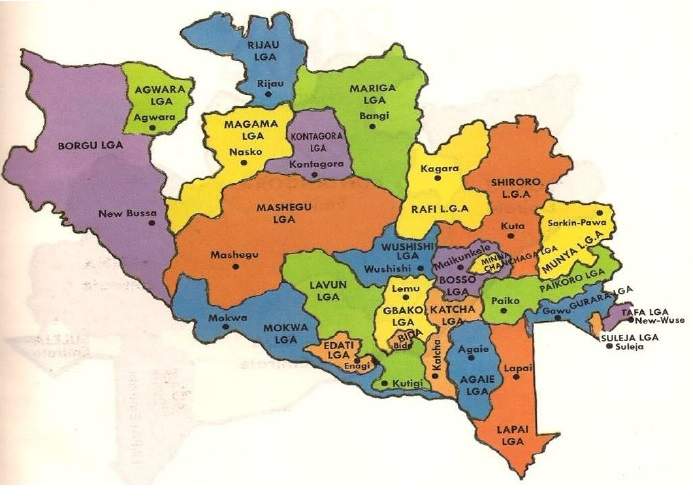
NiCare also announced a free enrolment exercise for nursing mothers and their babies across the state’s 25 local government areas and 274 wards.
The agency has equally expanded its engagement with private-sector employers and informal-sector groups, including farmers, in an effort to bring more residents into the health insurance net.
In the area of accountability and making the reforms sustainable the state Government has introduced the various interventions that are being implemented within the THRIVE reform framework, which promotes stronger governance, improved infrastructure, accountability and expanded access to quality healthcare.
According to Commissioner Bagana, reliable data, effective regulation and accountability are essential if health-sector reforms are to produce lasting results.
This informed the strengthening of institutions such as NISPHFA and NiCare to improve regulation, enforce standards, monitor performance and expand coverage.
Reflecting on the progress recorded over the past three years, Dr. Bagana said the administration of Governor Mohammed Umaru Bago had achieved what he described as “unprecedented milestones” in the health sector, with particular emphasis on strengthening primary healthcare and improving access to essential services.
As Niger State joins Nigerians at home and abroad to celebrate 66 years of independence, the Ministry of Health acknowledges that significant work remains to be done.
However, the reforms and interventions recorded so far demonstrate a deliberate effort to reposition healthcare delivery in Niger State, with greater emphasis on accessible primary healthcare, stronger institutions, adequate personnel, essential medicines, health insurance and improved accountability.
The Ministry therefore remains committed to working with relevant stakeholders to consolidate these gains and ensure that quality healthcare becomes increasingly accessible to residents across Niger State.