
By Abubakar Rabilu, Gombe
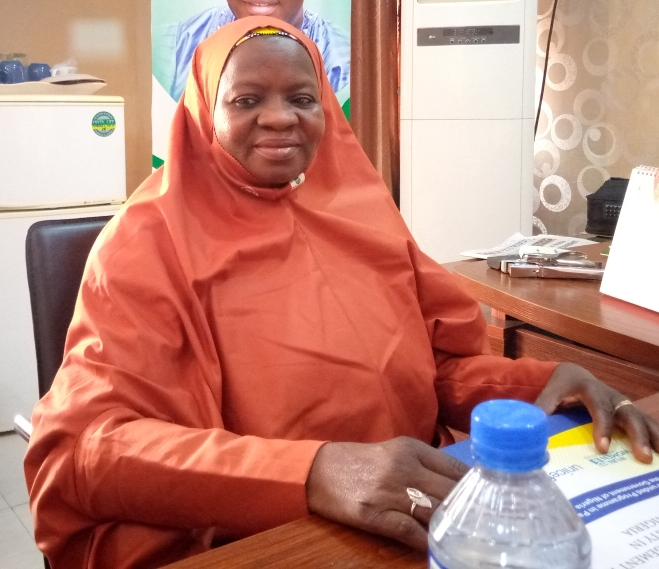
The Executive Director of Concerned Minds for Environment, Health and Community Initiative (CMEHCI), Halima Ahmed Mahdi, has called for urgent action to end child marriage, warning that the practice continues to deprive millions of girls of education, good health and a brighter future.
Mahdi made the call to mark the 2026 International Day of the Girl Child, observed on October 11, with the theme, “End Child Marriage, Invest in Girls’ Rights.”
She said child marriage remained a major challenge, particularly in vulnerable communities where poverty, harmful cultural practices and limited access to education force many girls into early marriages.
Citing United Nations estimates, Mahdi said more than 12 million girls were married before the age of 18 every year, while about 650 million women and girls alive today had experienced child marriage.
She noted that early marriage exposes girls to teenage pregnancy, childbirth-related complications, gender-based violence and the loss of educational opportunities.
According to her, the practice also increases girls’ vulnerability to poverty and economic dependence, limiting their ability to make informed decisions about their lives and contribute meaningfully to society.
Mahdi stressed that protecting girls required collective efforts by parents, governments, traditional and religious leaders, civil society organisations and other stakeholders.
She urged parents and guardians to prioritise their daughters’ education, personal development and wellbeing instead of subjecting them to early marriage.
The CMEHCI director also called on politicians, philanthropists and the private sector to support initiatives that empower girls, protect their rights and expand access to quality education and healthcare.
She said sustained community engagement was necessary to change harmful social norms and create an environment where every girl could grow up safely, pursue her ambitions and realise her full potential.
Mahdi added that investing in girls’ education and empowerment would benefit not only individuals but also families and society as a whole.
She urged Nigerians to use the annual observance to renew their commitment to ending child marriage and ensuring that no girl was denied opportunities because of her age or gender.
The International Day of the Girl Child was established by the United Nations General Assembly in 2011 and first observed in 2012 to promote girls’ rights and raise awareness of the challenges they face worldwide.