By Abubakar Rabilu, Gombe
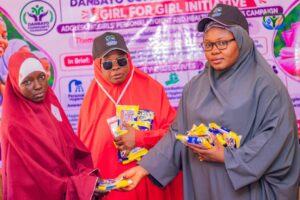
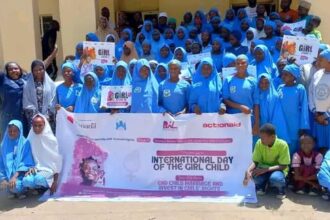
The Danbayo Community Foundation (DCF) has provided menstrual hygiene education and sanitary materials to about 600 schoolgirls in Gombe State to promote their health, dignity and uninterrupted access to education.
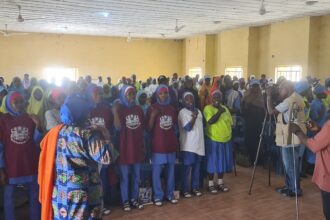
The intervention, organised under the foundation’s Girl for Girl (G4G) Initiative, was held at Pantami Primary School in Gombe, targeting pupils in Primary Six and students in Junior Secondary School (JSS) One to Three.
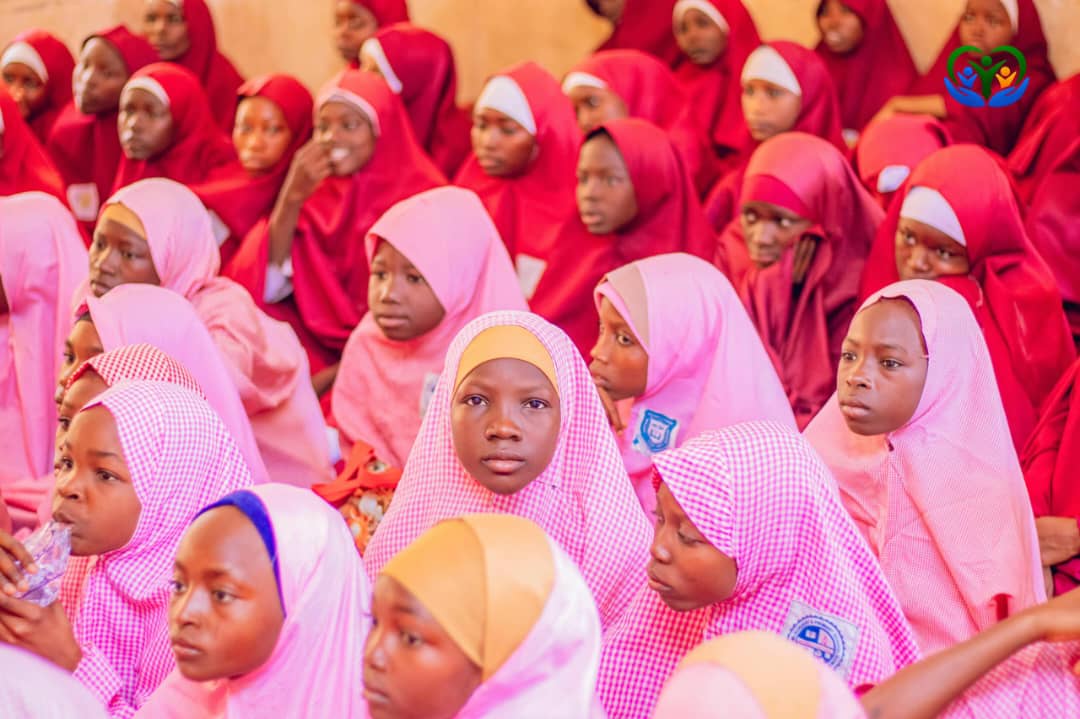
The beneficiaries received sanitary pads, detergents and other essential hygiene materials, alongside sensitisation on menstrual health, personal hygiene, puberty, disease prevention and adolescent development.
The initiative was designed to address challenges facing adolescent girls, including inadequate access to sanitary products, poor awareness of menstrual health, social stigma and misconceptions surrounding menstruation.
Speaking during the programme, the founder of the foundation, Ambassador Yusuf Musa Danbayo, said supporting adolescent girls was a collective responsibility that required the commitment of parents, schools, communities and government.
He said every girl deserved access to quality education, accurate health information, personal safety and the support needed to realise her potential.
Danbayo described menstruation as a natural biological process that should not expose girls to shame, discrimination or prevent them from attending school.
He explained that the initiative went beyond the distribution of sanitary materials, as it was also intended to equip the beneficiaries with the knowledge and confidence to manage the physical and emotional changes associated with adolescence.
According to him, sustainable menstrual hygiene management requires continuous awareness, affordable sanitary products, access to clean water, functional school toilets and appropriate facilities for disposing of menstrual waste.
The programme also featured practical demonstrations and interactive sessions on personal cleanliness, menstrual health management, self-esteem, puberty and the importance of remaining in school.
Resource persons further educated the girls on personal safety, bodily autonomy and the need to report harassment, abuse or inappropriate behaviour to trusted adults and relevant authorities.
The foundation urged parents, teachers and community leaders to create a supportive environment where adolescent girls could freely discuss their health concerns without fear, embarrassment or discrimination.
Danbayo called on government agencies, education authorities, healthcare professionals, traditional and religious leaders, parents and development partners to support programmes aimed at protecting the health, rights and education of the girl-child.
He also advocated improved sanitation facilities in schools, access to safe drinking water, regular menstrual health education and stronger child-protection mechanisms.
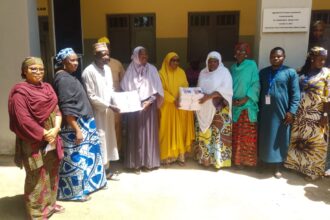
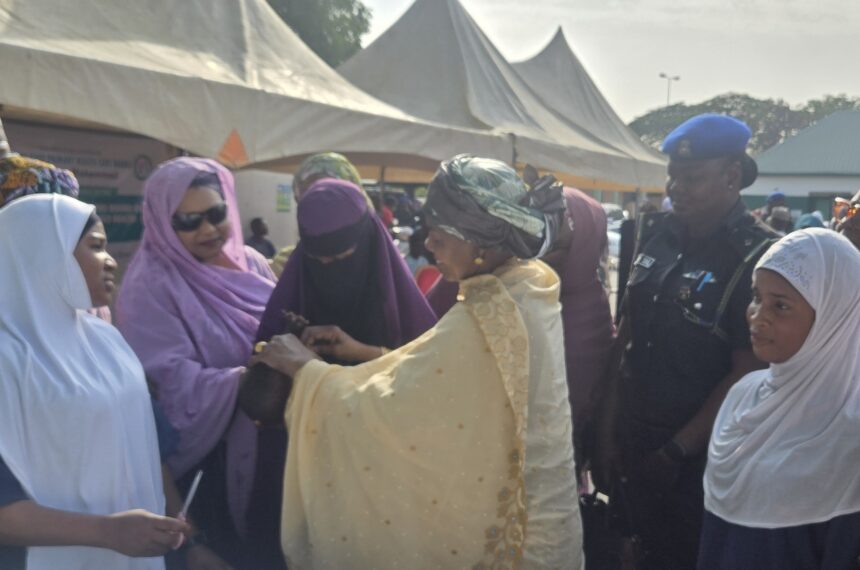
The foundation’s founder commended its Women’s Focal Person, Ummi Salihu Ma’aji, for coordinating the programme, mobilising volunteers and ensuring its successful implementation.
He also appreciated the resource persons, Girl for Girl mentors, Gidan Alheri Group, foundation members, school authorities and other partners for their contributions.
Danbayo disclosed that the foundation planned to extend the initiative to more schools, rural communities and underserved settlements across Gombe State and beyond, depending on available resources and partnerships.
He encouraged the beneficiaries to remain committed to their education, maintain good personal hygiene and develop the confidence to pursue their ambitions.
He said girls should be given equal opportunities to become professionals, entrepreneurs and community leaders, regardless of their backgrounds.
The foundation emphasised that no girl should miss school because of menstruation, describing investment in girls’ health, education and protection as an investment in the future of society.
The Danbayo Community Foundation carries out humanitarian interventions in education, public health, personal hygiene, environmental sustainability and community development.