

By: Adelowo Oladipo, Minna
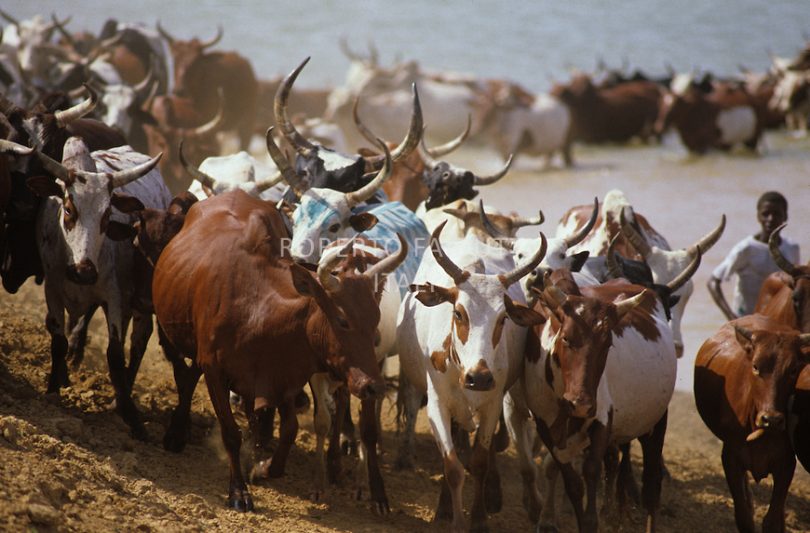
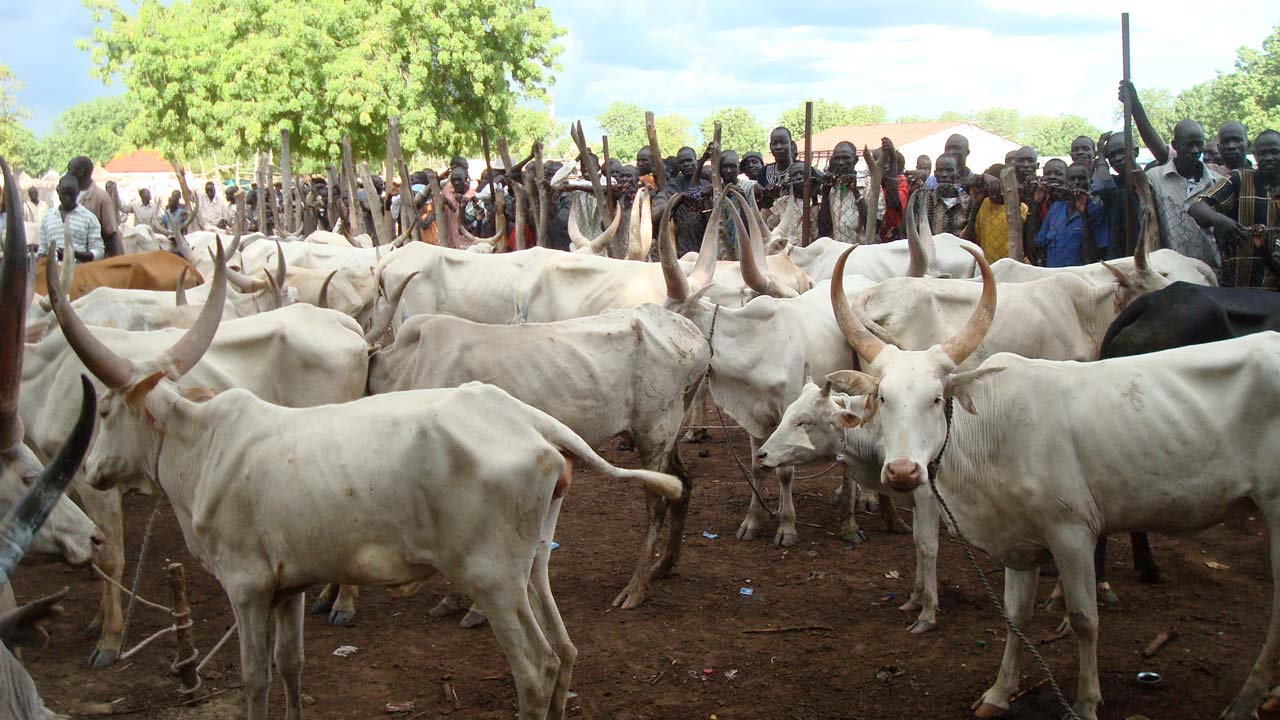
Almost four years after the Niger State Government suspended weekly cattle markets as part of a sweeping security crackdown, the once-bustling Bangi Cattle Market in Mariga Local Government Area of the State remains shuttered, delivering both peace and hardship to the community.
The 2021 directive, aimed at disrupting the logistics and intelligence networks of bandits and kidnappers, led to the temporary closure of all cattle markets across the state, while many have since reopened, Bangi’s cattle market has yet to resume operations.
Before the ban, Mariga ranked among the top revenue-generating councils in Niger North senatorial district of the state with cattle trading contributing nearly one-third of its internally generated revenue.
The prolonged closure has triggered a sharp economic downturn, slashing commercial activity, reducing tax revenues, and threatening the livelihoods of traders, transporters, and service providers who once depended on the market.
Despite the economic toll, local leaders and residents report a marked improvement in security. Incidents of banditry and kidnapping in Bangi and surrounding communities have declined significantly.
Community sources credit the market’s closure with dismantling informant networks that previously operated under the guise of trade, forcing suspected collaborators to flee the area.
Hon. Wakala Ibrahim Shanka, a former Secretary of the Mariga Local Government Council and a traditional titleholder, described the closure as one of the most effective security interventions in recent years.
According to him, “Bangi and its environs are no longer heavily reliant on cattle rearing and marketing,” adding that, “we’ve enjoyed relative peace since the suspension.”
He also pointed to recent attacks at the Kawo cattle market in Kontagora Local Government Area of the State where bandit activity reportedly forced traders to abandon the site, underscoring the persistent risks associated with livestock trading in volatile regions.
However, the absence of a local market has driven up food prices. Babangida S. Fawa Dan Kano, popularly known as Sarkin Fawa, noted that meat prices in Bangi have surged due to the added cost of transporting livestock from distant locations.
“The increased logistics expenses are passed on to consumers,” he explained, “making beef and even poultry more expensive than in other parts of the state, declared.
Still, Sarkin Fawa believes the trade-off is worth it. stressing that Peace and security are priceless.
The situation in Bangi highlights the complex trade-offs between economic vitality and public safety in conflict-affected areas.
While the market’s closure has helped curb insecurity, it has also strained household incomes and weakened local government finances.
Stakeholders agree that any decision to reopen the market must be guided by comprehensive security assessments, enhanced surveillance, and close coordination among government agencies, traditional institutions, and security forces.






Leave a Comment