

By: Monday Danladi, Bauchi
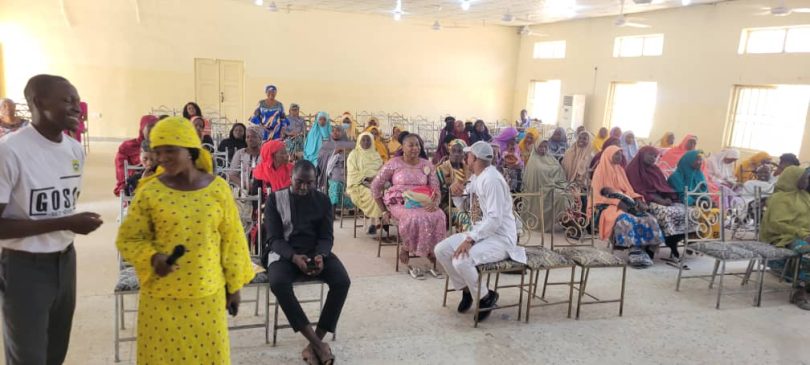
In a effort to empower women and make them self-employed as well as employers of labour, Fifty women in Wuntin Dada community, have received a Six-month intensive training and skills acquisition.
The women are made up of Thirty women from Zababbu Multipurpose Cooperative Society and Twenty other women from the Nasara Women group in order to make them supporters of their respective families.
The programme was undertaken under a Six-month DEC SSPS project implemented in Wuntin Dada community designed to empower women through agro-based processing, cooperative strengthening, and financial literacy.
Speaking at the close-out of the project, President of Zababbu Multipurpose Cooperative Society (ZWMCS), Mrs Winnifred Yusuf Robinson, “Through this project, Zababbu Cooperative was able to support the formation of a new Village Savings and Loan group known as the Nasara Women VSLA, which is now growing into a cooperative structure within the community.”
She explained that the project had two key objectives, to promote the participation of 50 women in two cooperatives in Wuntin Dada community in agro-based processing by March 2026 and to build the capacity of these 50 women on cooperative organization by February 2026.
She stressed that, “We are proud to report that these objectives have been achieved. Through the DEC project, the women of Zababbu Cooperative were trained in the production of groundnut oil, kuli-kuli (both salted and sweetened), and sweet potato flour. These activities have strengthened the cooperative and created additional streams of income for our members.”
According to her, “At the same time, the Nasara Women group received training in the production of dawadawa, including both the regular dawadawa and seasoned dawadawa. The seasoned dawadawa was prepared using ingredients such as ginger, garlic, and cloves and processed into powdered form, while the traditional local dawadawa was also produced and marketed within the community.”
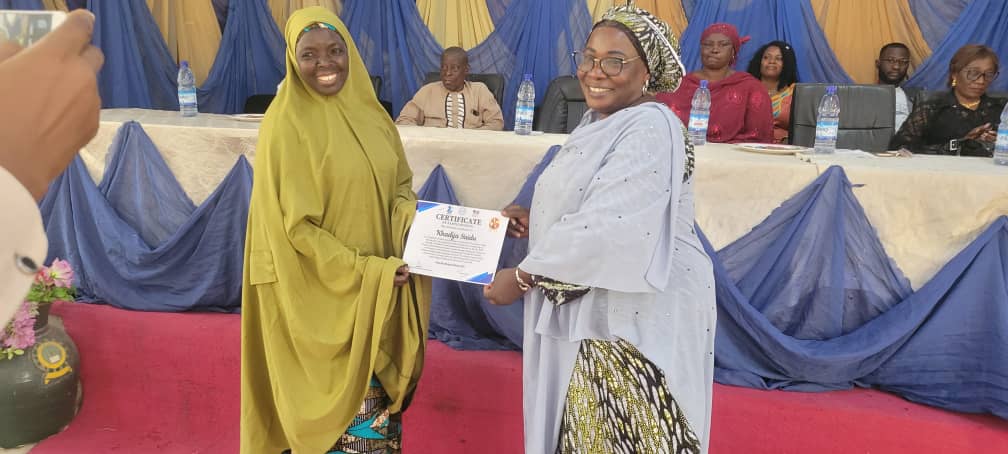
One of the women receiving her certificate
Winnifred Yusuf added that, “As a result of the project, both cooperatives have demonstrated the ability to sustainably produce agro-based products, meeting one of the key indicators of the project.”
“Another important outcome of the project is the improvement in women’s income. Women in both groups have reported increased income and improved economic opportunities. For the Nasara women, dawadawa production has become a new income source, while Zababbu women have expanded their income through groundnut oil processing and sweet potato flour production,” She added.
The President further stated that, “The project has also strengthened cooperative development within the community. Today, the two groups are operating as functional cooperatives with active participation from their members. We are particularly proud that the Nasara Women group has now organized themselves and registered as a cooperative, showing the sustainability of the project outcomes.”
She stressed that, “In terms of production achievements, the results have been very encouraging. The Nasara Women group has successfully carried out six production cycles of dawadawa, in addition to the training they received.”
“Meanwhile, Zababbu women have completed four production cycles of groundnut oil processing and sweet potato flour production. These results show that the women have not only received training but have also put their skills into practice, creating real economic opportunities within the community,” She added.
According to her,”Beyond production, the project has strengthened cooperation, leadership, and financial discipline among women. Through the VSLA activities, women are improving their savings culture and financial management, which contributes to stronger households and communities.”
She then appreciated DEC SSPS for believing in the potential of rural women and for supporting the important initiative.
According to her, “Your support has strengthened our cooperative, improved our economic activities, and opened new opportunities for women in Wuntin Dada community.”
She also appreciated the dedication of the women of Zababbu Cooperative and the Nasara Women group, whose hard work, commitment, and participation made the project successful.
“As we close this project today, we see this not as an end but as the beginning of greater opportunities. Zababbu Cooperative and the Nasara Women cooperative remain committed to sustaining these activities, expanding production, strengthening our cooperatives, and empowering more women economically,”She stressed.
Winnifred Yusuf concluded that,
“When women are organized, trained, and supported, they become powerful agents of change in their families, communities, and society.”
In his remarks, the Village Head of Wunti Dada, Musa Danladi, commended the organisation for choosing Wuntin Dada for the project which he said has changed the economic situation of women in the community.
Musa Danladi assured that he is always ready to collaborate with any organisation that is bringing development to the community.
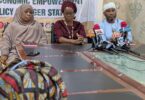
Speaking on behalf of the Ministry of Women Affairs and Child Development, Habiba Adamu, urged the beneficiaries to put into active practice the things they have learnt in the last Six months.
She lamented that women have been left behind because they are not employed are always relied on the men to meet their daily basic needs a development She said should be stopped.
According to her, “As a woman, if you have something to do and generating daily income, you will be respected and listened to. Please, utilize the skills you have learnt for your good.”
Also speaking, the Director General, Sustainable Development Goals (SDGs) office, Mrs. Lydia Shehu, commemded ZWMCS for embarking and successfully implemented the project which is in line with some of the goals of the SDGs.
She assured that the SDGs office will continue to partner relevant agencies especially local organisations in the effort to achieve the set objectives of the SDGs.
Other speakers in their separate goodwill messages, commended the implementation of the project and urged the women to expand the scope by training others within the community.
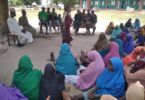
Some of the women who spoke on behalf of the beneficiaries, commended the organisation for selecting them to take part in the project saying that it has really changed their status in the community as they can now boast of a steady source of income.
The women displayed some of the products produced during the six months of the training and empowerment.
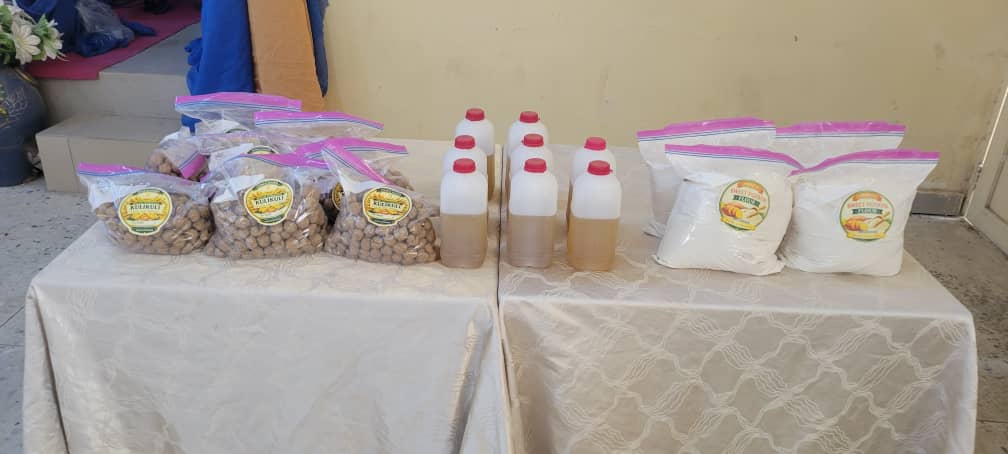
The products of the training


Leave a Comment