

By: Monday Danladi, Bauchi
A Lecturer with the Federal University of Kashere (FUK) in Gombe State, Prof Ali Madina Dankumo, has warned that inadequate investment in children would have far-reaching implications for education, healthcare costs, labour
productivity, population development, unemployment and poverty.
He also warned that poor investment in children could have serious consequences for Nigeria’s future growth and development in all ramifications.
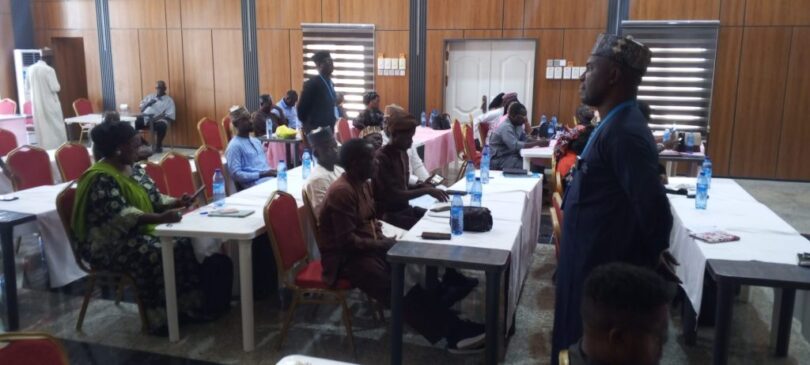
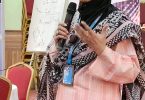
The alarm was raised by the Lecturer in the Economics and Development Studies Department and Social Policy Consultant, in a presentation he made at a One-day capacity-building programme for 60 Media Practitioners on leveraging the 2027 electoral cycle to strengthen media advocacy for public financing for children, held in Bauchi, organised by the Bauchi State Ministry of Budget, Economic Planning and Multilateral Coordination in collaboration with the United Nations Children’s Fund (UNICEF), Bauchi Field Office, which covers Adamawa, Bauchi, Gombe, Plateau and Taraba states.
According to him, “Failure to adequately invest in children
could also worsen insecurity, as
children and young people deprived of education and opportunities could become vulnerable to recruitment by
terrorist groups, bandits and other criminal networks.”
He further said that public financing for children should not be treated as an issue concerning children alone, stressing that its consequences extend to crime, insecurity, poverty, inequality
and the overall development of society.
“Children’s public finance is not
only a children’s issue, but a general one because poor investment in children affects crime and insecurity, poverty, inequality and others,” Ali Dankumo said.
He therefore urged Journalists to use their platforms to scrutinise whether inadequate funding was affecting supplementary and therapeutic feeding programmes, school feeding, breastfeeding, infant and young-child feeding interventions, micronutrient supplementation, screening and treatment of acute malnutrition, access to clean water and sanitation, as well as nutrition education for caregivers.
Ali Dankumo also charged media
practitioners to make children’s welfare a central issue during political campaigns ahead of the 2027 elections, urging them to go beyond routine m questions on education, health and welfare.
He said Journalists should use
the electoral cycle to compel political candidates to clearly state their policies, financial commitments and measurable targets for improving the wellbeing of the Children.
He further urged politicians at all
levels to make children-focused policies and programmes core
components of their campaign
promises and development plans, particularly in education,
healthcare and nutrition.
According to him, “When a child is not educated, he can easily be recruited by bandits and thugs who will cause serious havoc to the peaceful coexistence of the community.”
“At the end of the day, productivity will be very low. If productivity is low, the GDP will be low, and that will affect per capita income and translate into
a high level of poverty,” he said.
The University Don called on governments at all levels to treat issues concerning children with seriousness and sustained commitment, warning that failure to do so would deprive
many children of access to quality education, good healthcare and other opportunities needed to become productive members of society.

Leave a Comment