
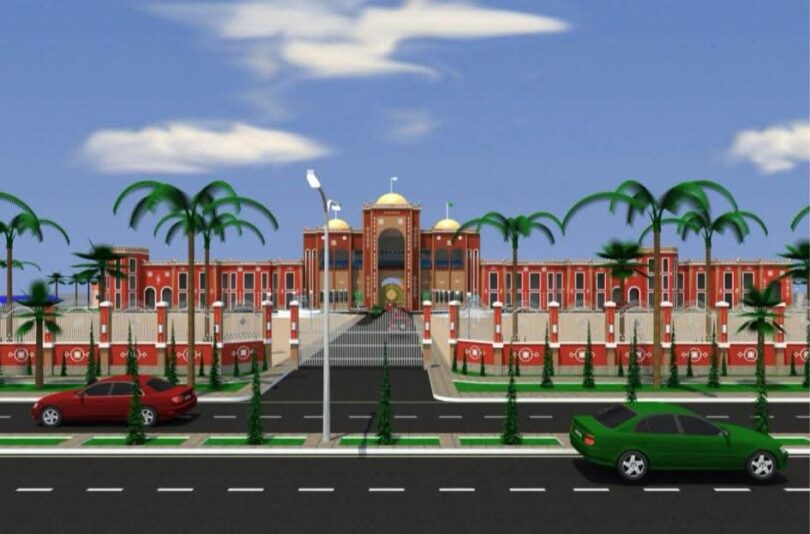

The decision by the Gombe State Government, through the Joint Projects Development and Essential Social Services Agency (JPDESA), to reconstruct and upgrade the Palace of the Emir of Gombe, His Royal Highness Alhaji (Dr.) Abubakar Shehu Abubakar III, CFR, is an investment in heritage, institutional dignity, social cohesion and the peace upon which the State’s development depends.
Approved at the 8th meeting of the Joint Project Development Council, presided over by Governor Muhammadu Inuwa Yahaya, CON, the intervention is a clear recognition that development must strengthen not only physical infrastructure but also the institutions that help hold society together.
The project has now moved closer to implementation following the presentation of the contract award letter by the Director-General of JPDESA, Bldr. Mahmoud Yusuf, PhD to the Contractor.
The contract was awarded to a reputable firm, Datum Construction Nigeria Limited, represented by Engr. Ibrahim Najjar, while Multy Systems Nigeria Limited, represented by Arc. Abubakar Ahmad Batagarawa, is the project consultant.
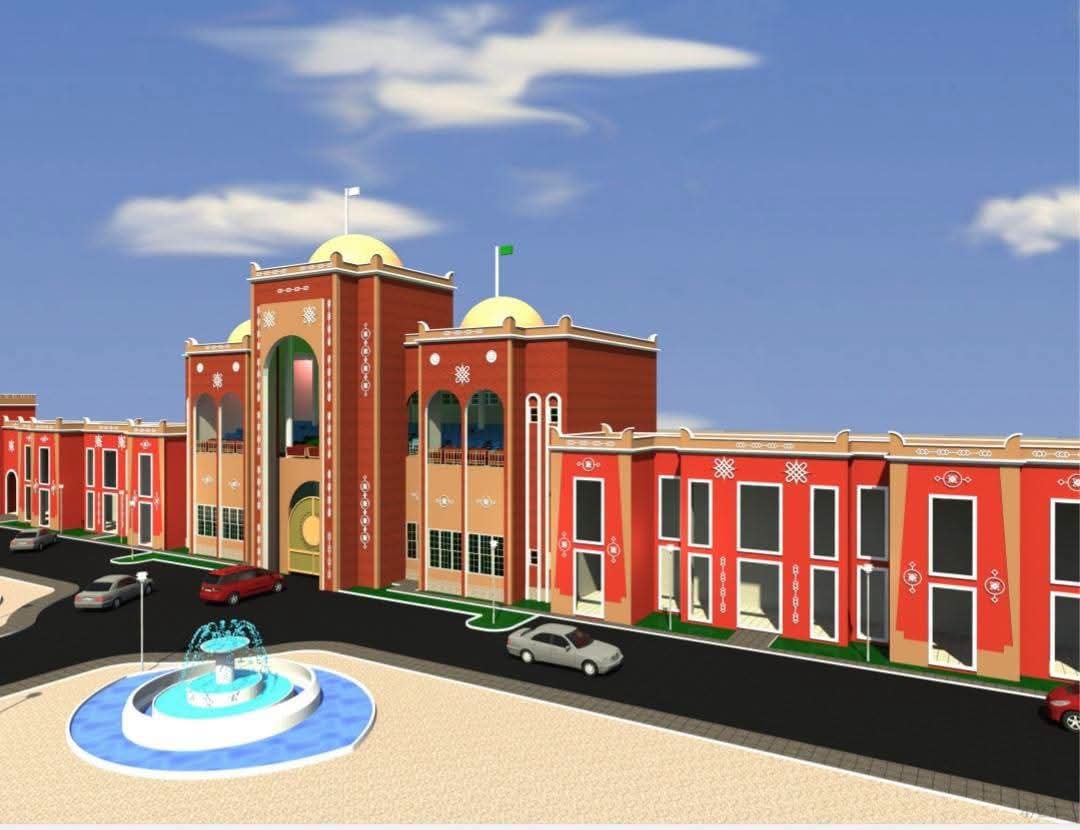
Side view of the palace
The award marks the transition from approval to implementation and reflects Governor Inuwa Yahaya’s commitment to preserving Gombe State’s monuments while strengthening institutions that contribute to peace, unity and development.
The Gombe Emir’s palace project will encompass a comprehensive range of facilities, spaces and structures befitting a modern traditional institution, providing adequate provisions for cultural festivals, religious activities, ceremonial functions and other traditional engagements, while preserving the historical character, architectural identity and heritage value of the Emirate as an enduring monument.
In Gombe, the traditional institution occupies a unique place in the social structure. As always emphasized by Governor Inuwa Yahaya, traditional rulers remain important partners in maintaining peace, resolving community disputes, mobilising citizens and supporting government policies and development programmes.
Their influence is rooted not merely in their titles, but in their proximity to the people, knowledge of their communities and ability to foster dialogue and understanding. That makes the traditional institution an important component of Gombe’s peace architecture.
And peace itself is infrastructure.
Without peace, roads cannot deliver prosperity. Schools cannot function effectively. Businesses cannot thrive. Investments cannot flourish. Development becomes fragile.
Therefore, strengthening institutions that contribute to peace should be viewed as a development investment.
A modern Gombe can, and should, remain connected to its heritage.
It is also part of a broader effort by the state government to improve the physical environment of traditional institutions.
In recent times, several palaces of traditional rulers, including those of district heads, have received significant attention and upgrades to enhance their functionality and give them facilities befitting their status and responsibilities.
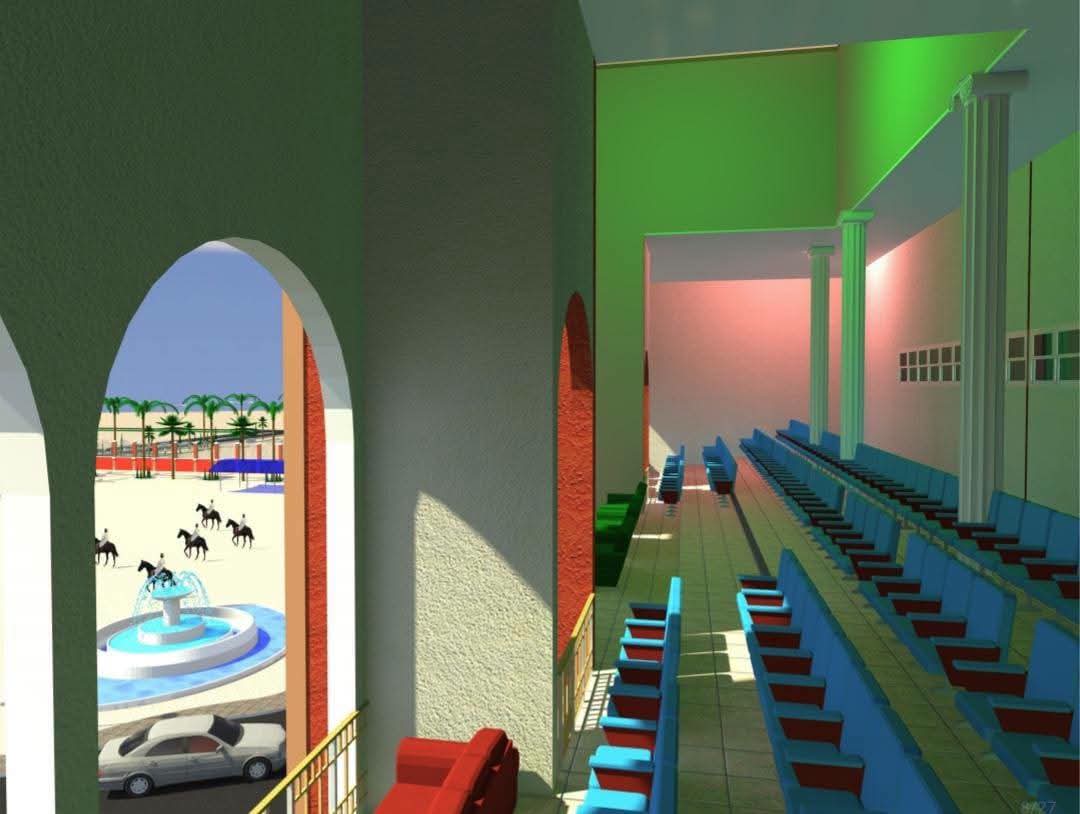
Inside the conference room
Importantly, the intervention fits into the philosophy of the Inuwa Yahaya administration: infrastructure must be purposeful, functional and capable of delivering value.
Traditional palaces are not simply ceremonial structures. They serve an institutions that interface with communities, receive dignitaries, facilitate consultations and contribute to social and religious stability. Providing an appropriate environment for these functions is therefore a legitimate component of institutional development.
Ultimately, the question should not simply be whether government is spending money on a palace. The more important question is: What institution does the palace serve, and what value does that institution bring to society? The answer is clear. It serves an institution that helps preserve people’s identity, strengthen community engagement and sustain peace.
The reconstruction and upgrade of the palace of the Chairman of the Council of Emirs and Chiefs is therefore an investment in heritage, institutional dignity, social cohesion and the peace upon which Gombe State’s development depends.
As Governor Inuwa Yahaya continues to build for the future, preserving and strengthening the institutions that have shaped the people’s history and held society together remains an integral part of development. It is not separate from progress; it is progress itself, as contained in a statement signed by Ismaila Uba Misilli, Director-General (Press Affairs), Government House, Gombe.
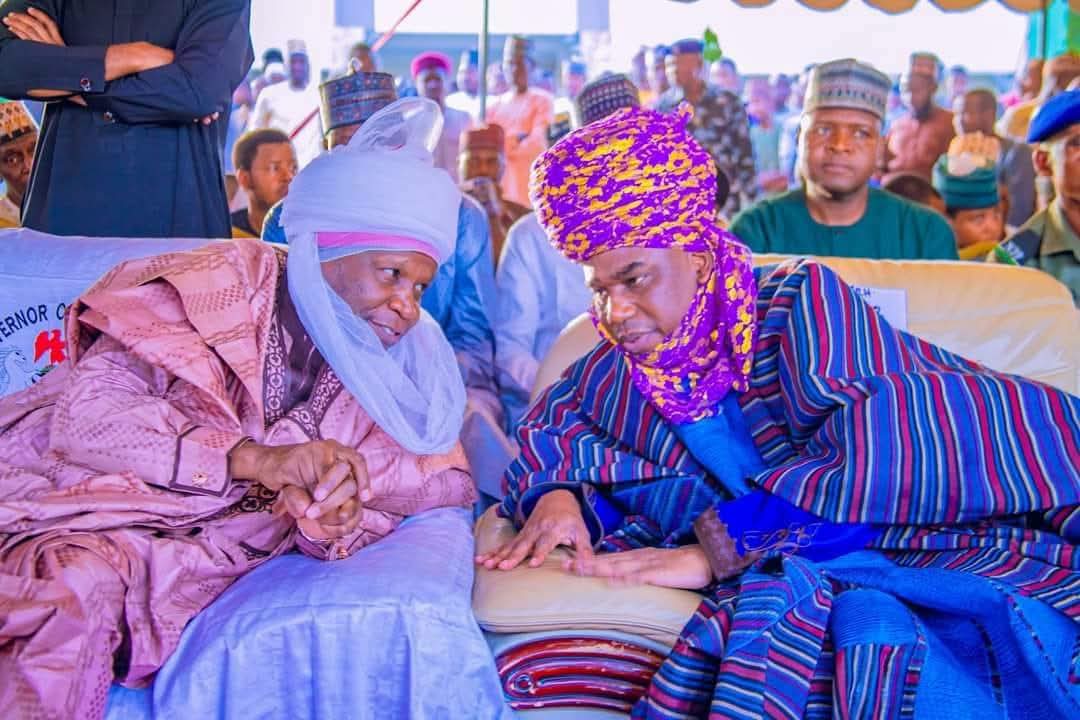
Gombe State Governor, Muhammadu Inuwa Yahaya and the Emir of Gombe, His Royal Highness Alhaji Abubakar Shehu Abubakar III




Leave a Comment