


By: Monday Danladi, Bauchi
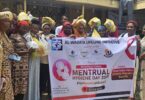
A media advocacy group on SRHR, Network of Reproductive Health Journalists of Nigeria (NRHJN), has stated that the International Women’s Day 2026, offers another great opportunity to communicate and tell stories of how situations around the world are impacting on the sexual and reproductive health of women and girls.
NRHJN, in a statement jointly signed by Hajia Sekinah Lawal, National Secretary and Elizabeth Kah, Publicity Secretary, stated that, “It is another moment when we tell the world, our leaders and every stakeholder how very “un-right”, “unjust” and their “unfair inactivity” have reduced the quality of women’s lives.”
It added that, “The needless and senseless wars going on in Europe, the Middle East, and in Africa as well as the heightened insecurity in our country Nigeria, has reduced our lifespans and worsened access to healthcare by women and girls, children and the elderly who are the most vulnerable of every household.”
The group lamented that,”Access to family planning commodities and contraception has also been greatly impacted due to the reduced funding from international partners after the withdrawal of the US President Trump’s Administration from global funds such as WHO, UNFPA, USAID etc who are major funders to Africa and developing countries.”
On call for right, justice and action
On the theme:”Give to Gain”, it stated that, “As an SRHR focused group, the NRHJN has a history of engaging in activities to herald the day at the State and National levels.”
“To mark the 2026 IWD with the Theme “Give to Gain”, We hereby call on Nigerians to immediately do away with the common myths surrounding contraception and family planning, reassess consent for better maternal health (to allow bodily autonomy for women of reproductive age) as we equally urge stakeholders including policymakers, doctors, and youth advocates to discuss local barriers to reproductive healthcare, with the theme “SRHR is a right, not a luxury,” It stated
It also advocated, in particular, for more awareness on bodily autonomy and reproductive journeys, short conversations with a nurse, midwife, a survivor of GBV, a policy advocate, or a woman living with HIV to humanize and normalise conversations around the issues.
According to the group, “This no doubt is a considerable gain in the reproductive health journey
Ensuring women can make informed decisions about their bodies and their futures is also essential for sustainable development of the country.”
The Network therefore called for increased investment in reproductive health services, including family planning, safe motherhood initiatives, maternal healthcare, and adolescent reproductive health education.
Such investments will help reduce preventable maternal deaths, improve child survival, and enhance the overall quality of life for women and families across Nigeria.
The Network stressed that, “This year, IWD 2026 also call for action to dismantle the structural barriers to equal justice: discriminatory laws, weak legal protections, and harmful practices and social norms that erode the rights of women and girls.”
“We have got to give up on barriers that limit access to opportunities for young women to contribute to innovative activities that aid development of the economy,” The network added.
It stresses that, “As the country sets for 2027 elections, Nigerian women and advocacy groups are demanding the creation of 74 additional, dedicated seats for women in the National Assembly (37 in the Senate and 37 in the House of Representatives) through the “Special Seats for Women Bill”.
“This is a fair demand when we realise that these demands aim to correct the severe underrepresentation of women, who currently hold only 19 of the 469 available seats in the 10th National Assembly (about 4%),” It stated.
On what equal justice look like, it stressed that,”Simply put, your rights are protected and defended, and laws don’t just stay on the books – they get enforced, so that people can experience equal rights and justice. It means legally protected access to education for girls and an end to child marriage.”.
The Network opined that Women’s freedom to choose to work, participate, and lead in society, including in political and justice systems, strengthens protection and prevention to end gender-based violence in all its forms.
According to it,”Family, labour, and healthcare laws that do not discriminate against women.
Justice systems that are free of bias, centred on survivors, and backed by zero tolerance for abuse and impunity. Legal aid that is affordable and accessible. Just to name a few.”
The call for the implementation of the National Guidelines on Safe Termination of Pregnancy for Legal indications that was launched in 2018; across all states will ensure the prevention of needless deaths from unsafe abortion which accounts for 40 percent of all maternal deaths in the country-5,000 to 6,000 deaths annually.
The Network stared that, “In his foreword to the National Guidelines on Safe Termination of Pregnancy for Legal Indications (STOP), former Minister for Health, Professor Isaac Adewole, Consultant Gynaecologist, notes that an estimated 1.25m induced abortions occurred in Nigeria in 2012 an estimated 33 abortions per 1000 women between 15-49 years. Unintended pregnancy was 59 per 100 women, aged 15-49 years; about 212,000 women were reportedly treated for complications of unsafe abortion, accounting for 5.6 per 1000 women of reproductive age and additional 285,000 experienced serious health consequences but did not receive the treatment they needed.”
According to Adewole, “Having a guideline on Safe Termination of Pregnancy for Legal Indications is of extreme importance to control unnecessary death of women who lose their lives as a result of conditions that are aggravated by continuation of pregnancy.”
The implementation of the guidelines ensure every woman gets the right care she deserves at the right time.
“We also emphasize the critical role of the media in amplifying women’s voices, raising awareness about reproductive health rights, and holding duty bearers accountable for policies and programmes that affect women’s health and dignity,” The network added.
The network concluded,”In the spirit of “Give To Gain,” we urge governments at all levels, development partners, civil society organizations, and community leaders to prioritize policies and programmes that protect women’s rights, expand access to reproductive health services, and create opportunities for women to lead and thrive.”
The Network of Reproductive Health Journalists of Nigeria stressed that it remained committed to using journalism as a tool to advocate for women’s health, dignity, and rights.

Leave a Comment