

By Hajara Usman
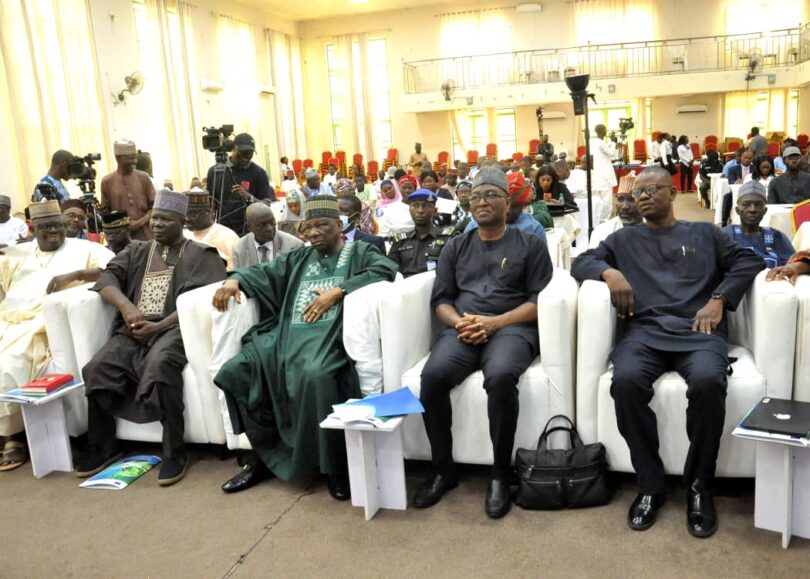
The United Nations Industrial Development Organisation (UNIDO), in collaboration with the Gombe State Government, has organised a capacity-building workshop on Small Hydropower (SHP) development in Gombe.
The project, geared towards the agro-Industry development in Nigeria, is supported by the European Union (EU).
Speaking at the opening of the workshop on Monday in Gombe, UNIDO’s Representative and Sub-regional Director, Philbert Johnson, said Nigeria had significant renewable energy potential, including hydropower, solar, wind and biomass..
Johnson said the country’s hydropower potential was estimated at about 24,000MW, with small hydropower accounting for approximately 3,500MW.
He said the workshop was aimed at raising awareness among policymakers, project developers and financial institutions about the viability of SHP as a reliable source of electricity and a driver of economic development.
According to him, Balanga Dam project offered participants practical knowledge on how water resources could be harnessed to improve livelihoods, strengthen energy security and support economic transformation.
Declaring the workshop open, Dr Manassah Jatau, Gombe State Deputy Governor, described the Balanga Dam Small Hydropower Project as a strategic initiative capable of transforming the lives of communities in the state and contributing significantly to Nigeria’s renewable energy development.
Jatau noted that although the dam was inaugurated about 38 years ago, only 2,200 hectares of its estimated 11,000-hectare irrigation capacity is currently being utilised, with several other potential benefits yet to be realised.
He said the development of the small hydropower component would provide a model for unlocking Nigeria’s numerous small hydropower sites, many of which remained undeveloped.
The deputy governor said the Gombe State Government had provided an enabling environment for the speedy completion of the project and would integrate small hydropower development into its rural electrification and irrigation plans.
According to him, the project will provide clean electricity while supporting irrigation, fisheries, agro-processing, tourism, water supply, flood control, employment and improved livelihoods for the people.
Jatau expressed appreciation to the EU delegation, Global Environment Facility, the Rural Electrification Agency and other development partners for their support.
He urged participants to ensure that the workshop produced clear, practical and time-bound actions rather than ending as a mere talk shop, stressing that the ultimate objective should be to reduce poverty and improve the standard of living in Balanga and neighbouring communities.
The 620kW Balanga Dam Small Hydropower Project was used as a case study, with participants examining the potential of SHP to improve electricity access, support rural development and drive agro-industrial activities.
The workshop brought together stakeholders from the public and private sectors to strengthen capacity for developing and implementing small hydropower projects. NAN
Leave a Comment