

By: Elizabeth Kah
The Medical Women’s Association of Nigeria (MWAN), Bauchi State Chapter, has launched a targeted blood donation campaign aimed at reducing maternal deaths resulting from postpartum haemorrhage (PPH), a leading cause of maternal mortality in Nigeria.
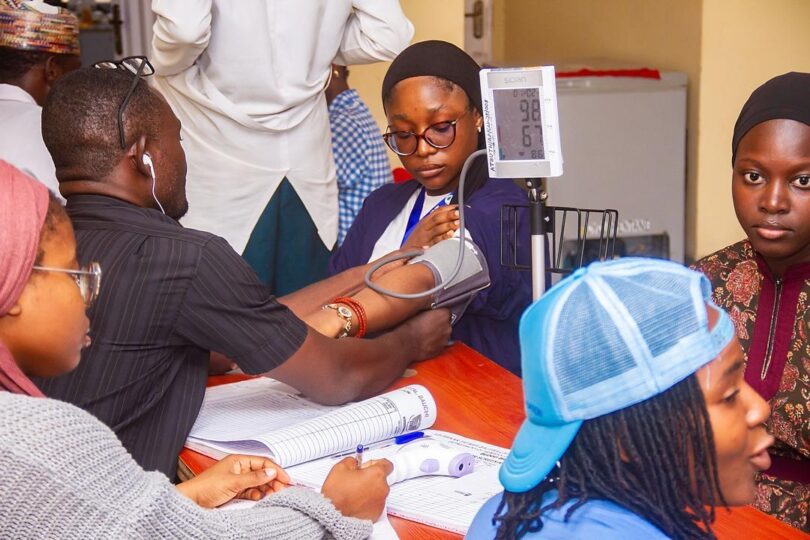
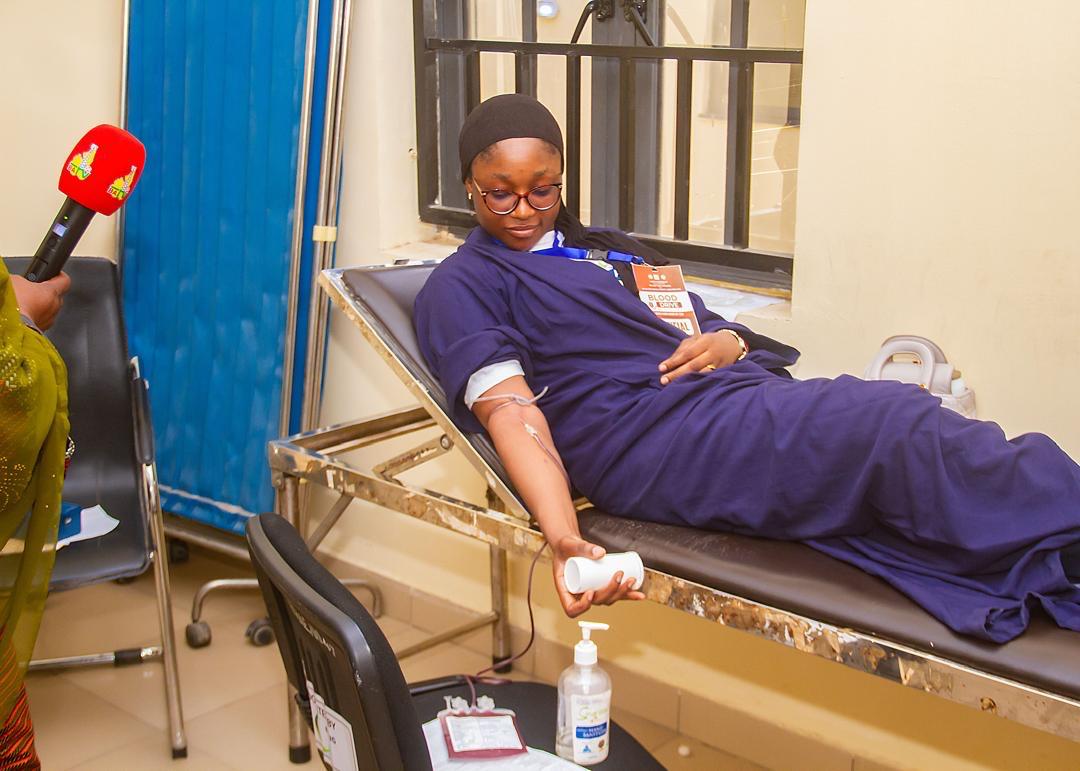
The campaign, held at the Abubakar Tafawa Balewa University Teaching Hospital (ATBUTH), Bauchi, was part of activities marking the 2026 World Blood Donor Day and carried the theme: “Give Blood, Save a Mother: Every Drop Counts.”
The initiative is being implemented under the AIM MNCNH Innovations Project, a three-year programme led by the Africa Centre of Excellence for Population Health and Policy (ACEPHAP) in partnership with MWAN, Pathfinder International and CCSI.
The project is currently active in 16 states across Nigeria and focuses on increasing the uptake of life-saving maternal, newborn, child health and nutrition innovations.
Speaking during the event, MWAN members, Dr. Kaltumi Shaibu and Dr. Khadija Mukhtar, explained that although the global theme for this year’s World Blood Donor Day is “One Drop of Humanity, Give Blood, Save Lives,” the association and its partners chose to focus on maternal health due to the alarming rate of maternal deaths linked to excessive bleeding after childbirth.
According to them, the campaign seeks to mobilize support for voluntary blood donation as a critical intervention in preventing deaths from postpartum haemorrhage and improving maternal survival outcomes.
They noted that Nigeria bears the second-highest maternal mortality burden globally, accounting for more than 25 per cent of maternal deaths worldwide. They added that postpartum haemorrhage remains one of the leading causes of these deaths despite being largely preventable when timely and adequate medical care is available.
The medical experts identified the high rate of unbooked pregnancies as a major challenge, noting that about one in three women do not receive antenatal care from skilled healthcare providers.
This, they said, often results in missed opportunities for early identification and management of pregnancy-related complications.
They further observed that more than half of births in Nigeria occur outside health facilities and without skilled birth attendants, limiting access to evidence-based interventions such as the World Health Organization-endorsed E-MOTIVE package for timely management of postpartum haemorrhage.
Dr. Shaibu and Dr. Mukhtar stressed that while blood transfusion remains a cornerstone of emergency obstetric care, access to safe blood continues to be a major challenge, particularly in rural and underserved communities.
They attributed the shortages to weak blood donation systems, inadequate infrastructure and poor blood management protocols, warning that many women remain vulnerable during childbirth emergencies because lifesaving blood is often unavailable when needed.
The doctors called for strengthened blood supply systems and increased voluntary blood donation across the country, emphasizing that the availability of safe blood can mean the difference between life and death for mothers experiencing severe bleeding after delivery.
Some of the voluntary donors who participated in the exercise said they responded to the call because of their commitment to saving lives and contributing to the wellbeing of mothers and families.
They urged more Nigerians to embrace voluntary blood donation as a civic responsibility capable of giving hope and a second chance at life to those in critical need.



Leave a Comment